
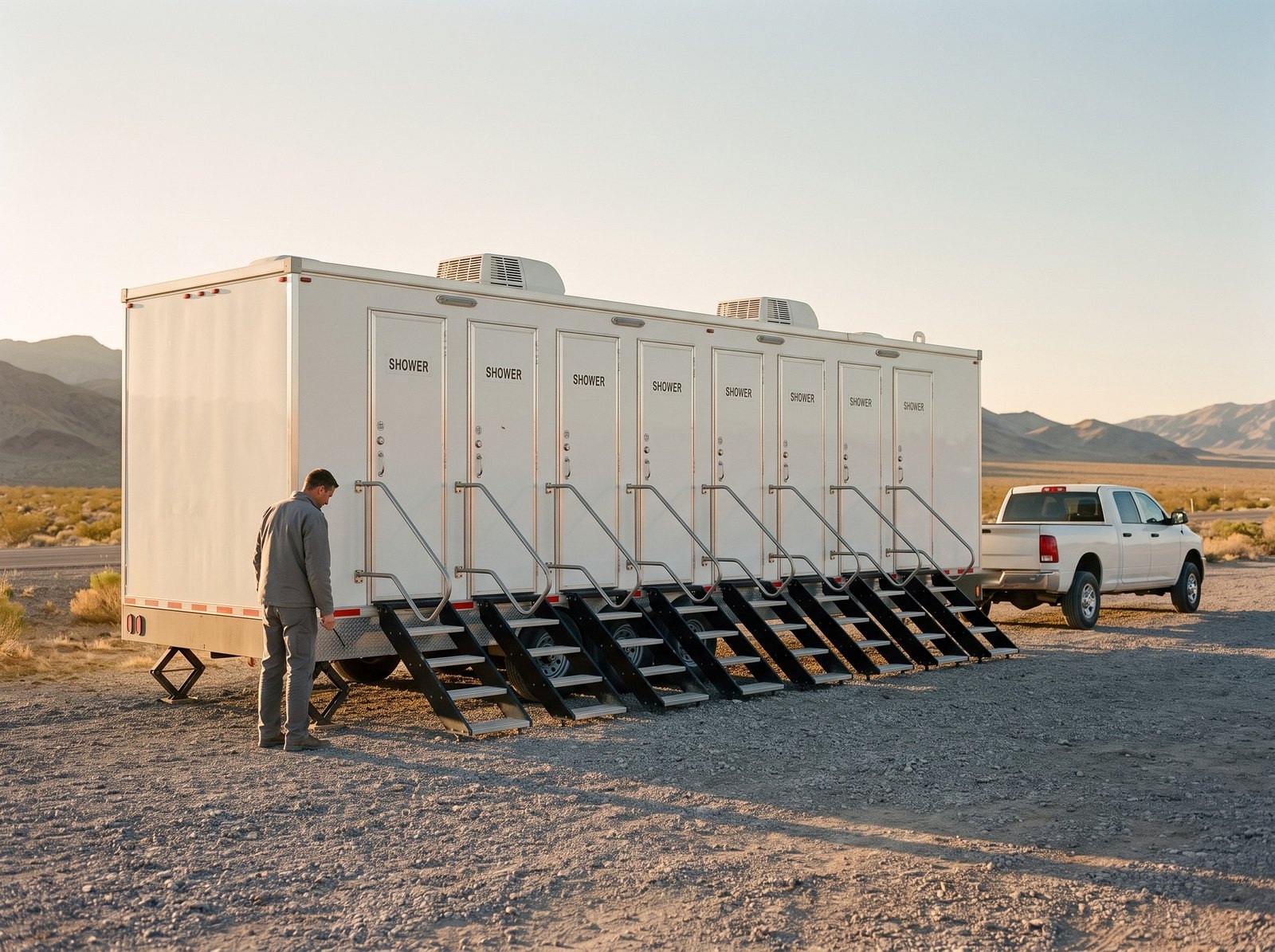
Using this map
One delivery yard, and a state that takes most of a day to cross
Nevada is long. From the valley floor in the south to the Sierra front in the north is the better part of a driving day in a pickup, and longer with a trailer behind you and a fuel stop or two in the middle. So one fact shapes everything on this page. A delivery in Henderson is a morning. A delivery to the north is a route with a departure time, a turnaround plan and service visits already on the calendar before the truck leaves the yard.
Elevation does the rest. The southern valleys sit around two to three thousand feet in Mojave desert country, where the planning problem is heat, dust and the summer storms that turn a dry wash into moving water inside twenty minutes. The northern corridor sits closer to forty five hundred feet on the edge of the Great Basin, where the planning problem is a winter that freezes lines and tanks if nobody set the trailer up for it. Same trailer, two different jobs. A dot on the map decides which.
The five cities below get the most detail because they are where most of the calls come from. Each write up covers the neighborhoods and venues we deliver to, plus the site notes a driver uses when planning a run there.
Reviews from across Nevada
Customers from Pahrump to Sparks on the delivery
★★★★★The climb over to Pahrump with a trailer is no joke. They left early, got here before our crew did, and had it running by seven.
★★★★★Beatty is a long way from anywhere. They planned the water hauls and pump outs before the unit ever left town, and the schedule held for six weeks.
★★★★★We figured Las Vegas was too far from us up north. They ran it up in a day, set it on our pad in Sparks, and serviced it on a fixed interval.
Featured city
Las Vegas delivery, from the Strip corridor out to the raw parcels
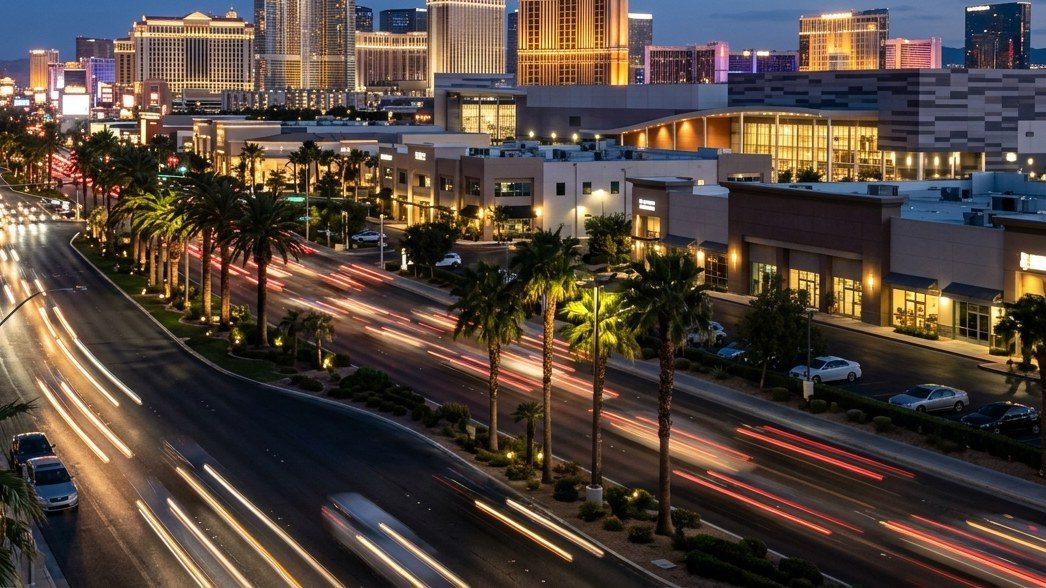
Las Vegas is the biggest market in the state and the one with the widest spread of job types. The economy still runs on tourism, gaming and conventions, but the construction side underneath it has broadened out into logistics, entertainment production and infrastructure work that keeps crews on the ground year round.
The resort corridor is the obvious piece. Much of what people call the Strip is technically unincorporated county land, but nobody on a job site makes that distinction. What matters to us is that resort work is back of house work. A full gut renovation runs around the clock inside a property that never closes, which means a trailer gets tucked into a loading dock area or an employee lot rather than parked in the open. Footprint is tight, the appearance of the unit matters because guests and staff walk past it, and noise rules are stricter than anything a raw construction site would impose. Dock windows, badging and an escort to the pad are normal parts of the delivery rather than obstacles.
Downtown carries its own calendar around Fremont Street, including the staging and festival end of the off road race that runs each March with a parade down the Strip and a course on public land out toward the dry lakes southwest of town. Race weeks and convention weeks move the whole valley at once: traffic, hotel rooms and equipment availability all tighten in the same seven days.
West of the city the ground climbs fast toward Red Rock Canyon, which is both a filming draw and a reminder that terrain here changes inside a twenty minute drive. Production units working those locations need a base camp that looks right and runs quietly, parked on whatever surface the permit allows. Meanwhile the highway program keeps crews on the I-11 and US 95 corridor through the interchange north of downtown, and that work is linear rather than fixed, so a unit follows the work zone instead of sitting on one pad for the life of the job.
Weather is the constraint people underestimate. Summer highs sit above a hundred degrees for long stretches, with the hottest afternoons pushing past a hundred and ten several times a season. From the middle of July into September the monsoon brings short, violent storms that can drop half an inch of rain in twenty minutes and turn a low lying pad into a pond, along with the dust walls that ride the outflow and coat every vent and condenser they pass. Winters are mild, with overnight lows in the high thirties and forties and hard freezes rare enough that freeze protection is an option here rather than a default.
The jobs that put our trailers on Las Vegas ground: resort and casino back of house renovation crews, festival and race production staff who are on site for days before the gates open, film and television units working valley locations, and highway crews on the corridor projects running through town.
Featured city
Henderson, Water Street out to Lake Las Vegas
Henderson sits immediately southeast of Las Vegas and reads as a separate city the moment you are working in it. It started as a wartime magnesium processing town and grew into a mixed economy of manufacturing, healthcare, retail and tourism adjacent development, with the city steering investment into designated redevelopment areas rather than letting growth wander.
The Water Street District is the clearest landmark in town, a historic downtown and arts corridor running from Ocean Avenue down to Lake Mead Parkway. Preserved buildings from the war years now hold restaurants, bars and event space, with an outdoor stage and an arena added alongside them. It functions as the civic gathering point, which means public events land there on a regular schedule and event support parks in municipal lots with real utilities close by. That changes the water and power equation from haul everything to connect and top up, which is a genuinely different job than a desert pad.
On the eastern edge, Lake Las Vegas anchors a smaller hospitality and events node built around a resort community and an artificial lake. Weddings, corporate functions, lakeside festivals and boat racing all generate the same request: hygiene support that does not look like a construction fixture parked next to a wedding. Placement there is a conversation about sightlines as much as about level ground.
Terrain splits across the city. Closer to the valley floor it is established suburban infill with paved access, hose bibs and predictable turning room. Out toward the east and south, approaching Lake Las Vegas and the road that carries on to Boulder City, the ground gets rocky and more genuinely high desert, and a spot that looks flat on a satellite view can be loose rock with a fall across it. Climate is the Las Vegas valley profile almost exactly, same basin and similar elevation: severe summer heat, storm risk from July into September, mild winters.
What we get called out for in Henderson: build out and renovation crews working the redevelopment areas, event support for Water Street concerts and public programming, hospitality work tied to lakeside functions on the east side, and general commercial and light industrial construction as the manufacturing base grows alongside the industrial expansion happening to the north.
Featured city
North Las Vegas, Apex and the industrial north end
North Las Vegas has turned into one of the busiest industrial and logistics markets in the country, and the work there looks almost nothing like the work on the resort corridor twenty minutes south. Two anchors drive it. Nellis Air Force Base sits inside the city and is its largest employer, a permanent federal installation with a steady ring of support contracting and staging work around it. The other is Apex Industrial Park at the northern edge of the valley, a development measured in the tens of thousands of acres with a jobs forecast stretching two decades out.
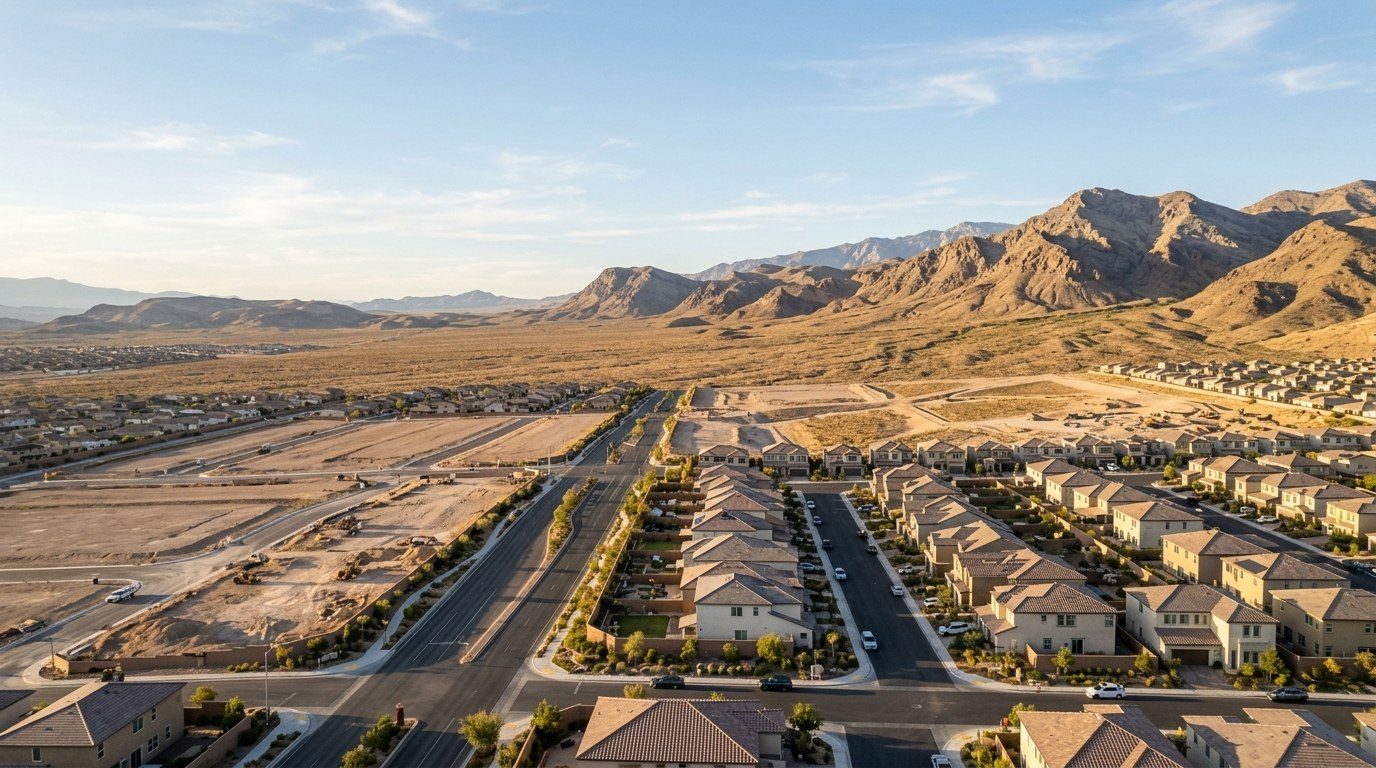
Apex is the reason we talk about this city differently. It is raw desert land where water, power and sewer are being built out at the same time as the buildings, which means a construction crew working a grading or tilt up phase out there frequently has nothing to connect to. Hauled fresh water, generator power and a pump out schedule set before delivery are the normal configuration rather than the exception. Freeway access through the interstate, the highway north and the beltway is what pulled the distribution business here in the first place, and it is also what makes our service runs to those sites reasonable: the drive is short even when the site itself is bare ground.
The Motor Speedway sits in North Las Vegas despite carrying the valley's name, and it is both a permanent motorsports venue and the host ground for the electronic music festival that fills three nights each May with attendance in the hundreds of thousands. Event work at that scale is a different animal from construction work. The footprint is fixed and easy to service, but daily usage volume is enormous and concentrated, so fresh and waste turnover has to be scheduled through the run rather than handled at the end of it. Production and vendor staff are on the ground for days before the first act and after the last one, working overnight in desert heat, and they are usually who the showers are actually for.
Terrain is flat open valley floor, which is exactly why large footprint grading and tilt up concrete work landed here. So placement is easy. Wind and blowing dust are the thing to plan around instead. The climate is the same Mojave profile as the rest of the valley: brutal summer afternoons, storm and flash flood risk in the late summer weeks, mild winters.
Typical work here: large crew support through Apex build out phases, distribution and warehouse construction on compressed schedules, festival production support at the Speedway, and staging or support contracting work near the base.
Featured city
Reno, the Truckee Meadows and the industrial land east of it
Reno sits around forty five hundred feet on the boundary between the dry western Great Basin and the alpine influence of the Sierra Nevada, and that split personality shows up in the weather, the terrain and the work. The city built its name on gaming and tourism, and the arch over Virginia Street still carries that identity, but the economy underneath has swung hard toward technology, logistics and advanced manufacturing over the last decade.
The industrial park east of town in Storey County is the center of gravity for that shift. It is enormous, home to well over a hundred companies, and it has become the focus of a heavy data center buildout, with campuses large enough that construction runs for years rather than months. From a hygiene standpoint those sites read like the Apex parcels in the south with one addition: winter. Crews of several hundred during peak phases, newly graded land outside utility service, and nights that drop below freezing from late fall into spring. A unit staged out there through the cold months needs heat tape, tank heaters and a closed underbelly from day one, not added after the first hard night.
Downtown Reno runs along the Truckee River corridor with an arts and entertainment district that has been growing steadily, and hospitality renovation there has the same character as resort work in the south, only smaller and with easier access. The fairgrounds host the rodeo each June, which is a multi day event in a fixed venue with utilities available, and that is a straightforward job compared to anything out on bare ground.
Terrain changes fast in every direction. The city itself sits in the flat Truckee Meadows basin. West of town the Sierra climbs sharply toward the lake, east of town the high desert opens up. A storm can bury the mountains a short drive away and leave Reno with nothing but wind and cold, which is why we do not plan a northern delivery off a statewide forecast.
The climate is a real four season one. Summers are mild by southern standards, highs in the eighties and low nineties with nights that cool off sharply, so generator sizing is easier than it is in the valley. Winters are the opposite story: roughly double the annual precipitation of the south, regular snow, and hard freezes that make freeze protection a requirement rather than a line item.
What we haul north for: crew support on the industrial and data center buildout east of town, downtown redevelopment and hospitality renovation, rodeo and fairgrounds event support in June, and the general commercial construction that comes with a city serving as a logistics hub for the whole region.
Featured city
Carson City, the capital and the valley it sits in
Carson City is the state capital and one of the smallest in the country by population, an independent consolidated municipality that belongs to no county, sitting around forty six hundred feet in the Carson Valley just east of the Sierra's eastern slope. Government is the economic backbone, which puts a steady stream of public building maintenance, renovation and facility work into the calendar, and the mining boom history that built the town keeps a tourism layer on top of it.
The historic downtown is the working core. The capitol building dates to the end of the eighteen sixties and is still in daily government use, and the walking route through the west side historic district threads past dozens of identified historic homes and buildings. Streets in that part of town are older and tighter than anything in the southern valley. So turning room and overhead clearance are the first two questions on any delivery there. The city grew as a freight and staging point for the silver and gold rush over the hill, and the railroad that ran up to the mines kept its shops and offices here, which is still visible in the rail and industrial architecture on that side of town.
Two civic events put real temporary population into the city. The statehood parade on the last Saturday of October has run since the nineteen thirties and fills the historic downtown for hours, with a route that closes streets and a crowd well beyond the town's own numbers. The state fair runs four days at the city park. Both are fixed venue events with utilities in reach, which makes them the connect and supplement kind of job rather than the haul everything kind.
Weather here matches the northern corridor. Sunshine is abundant and summers are warm and dry with highs in the nineties. But winters bring regular frost and snow, so a unit left on the ground outside the summer months gets the full cold weather setup. Wind through the valley and the gap north toward Reno is a genuine leveling and anchoring consideration, not a detail.
Work that brings us here: parade and fair event support, state and municipal facility projects tied to the public building stock, general residential and commercial construction across the valley, and the run of festival season in the small towns south of the city where a weekend crowd can be several times the size of the town.
Southern Nevada
Southern Nevada towns we deliver to, one highway at a time
Outside the valley the sites get simpler and the planning gets harder. There is almost always room to place a trailer and almost never a hookup waiting, so these go out with a full fresh tank, generator power and a pump out schedule locked before the truck leaves. In summer we pick placement for shade, or failing that for an orientation that puts the trailer's own body between the afternoon sun and the door side.
- Boulder City
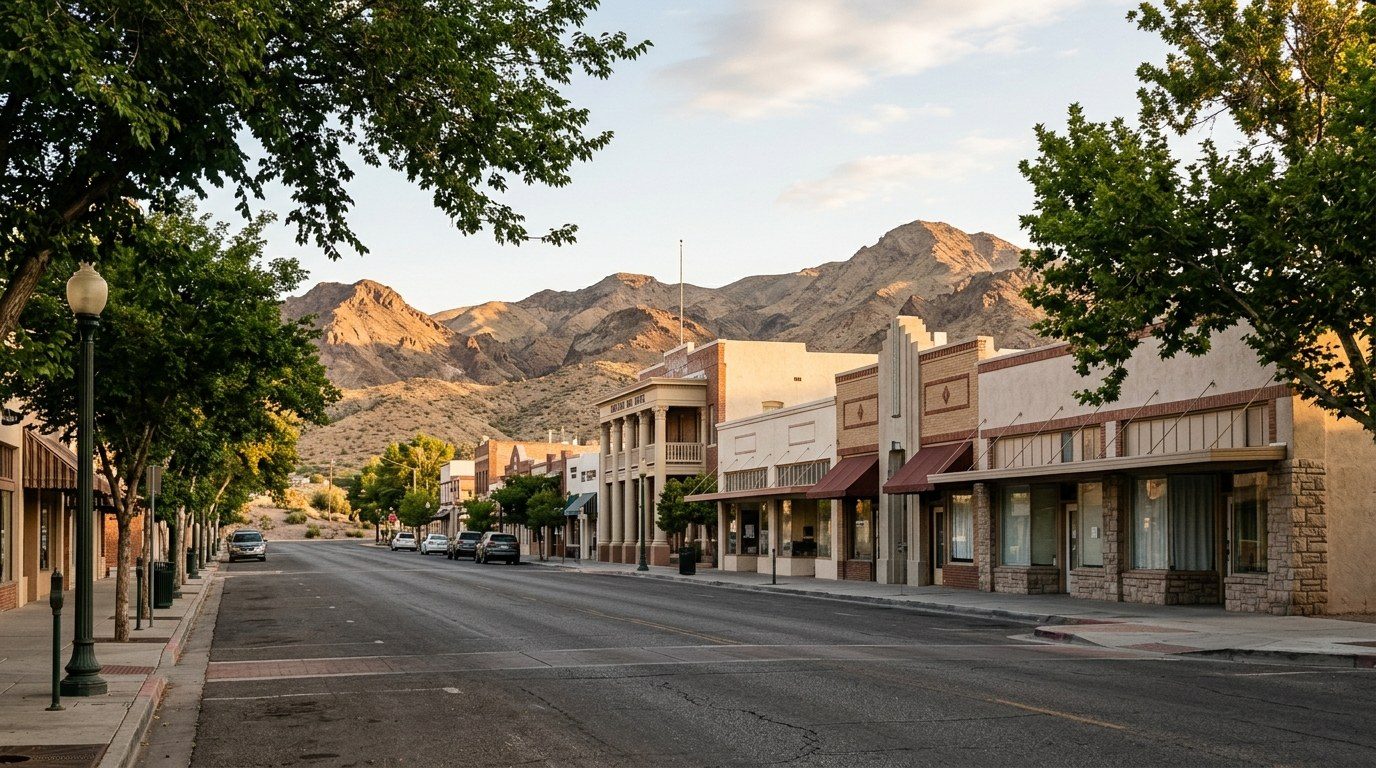
- A short run southeast on the highway toward the lake. The town sits a little higher than the valley floor and the ground east of it opens into the solar country of the Eldorado Valley, where utility scale construction runs long build phases on land with nothing on it. Wind across open ground decides which way we face the unit.
- Jean and Sloan
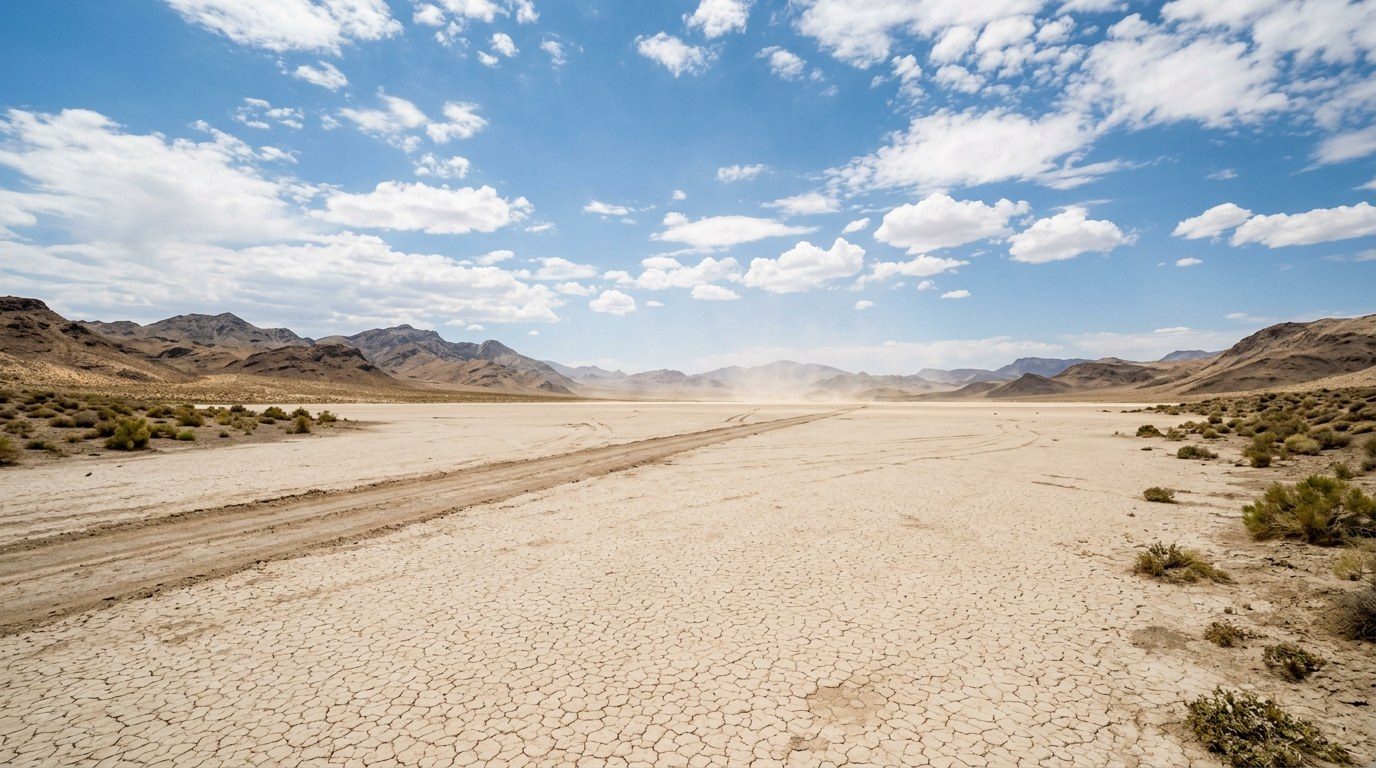
- Straight down the interstate and off at the exit, close enough to valley timing that a same week delivery is realistic. The dry lakes out there carry off road race activity in the spring on temporarily closed public land, which is support zone work: no water, no power, no waste service, everything trucked. The last stretch in is often soft shoulder.
- Indian Springs
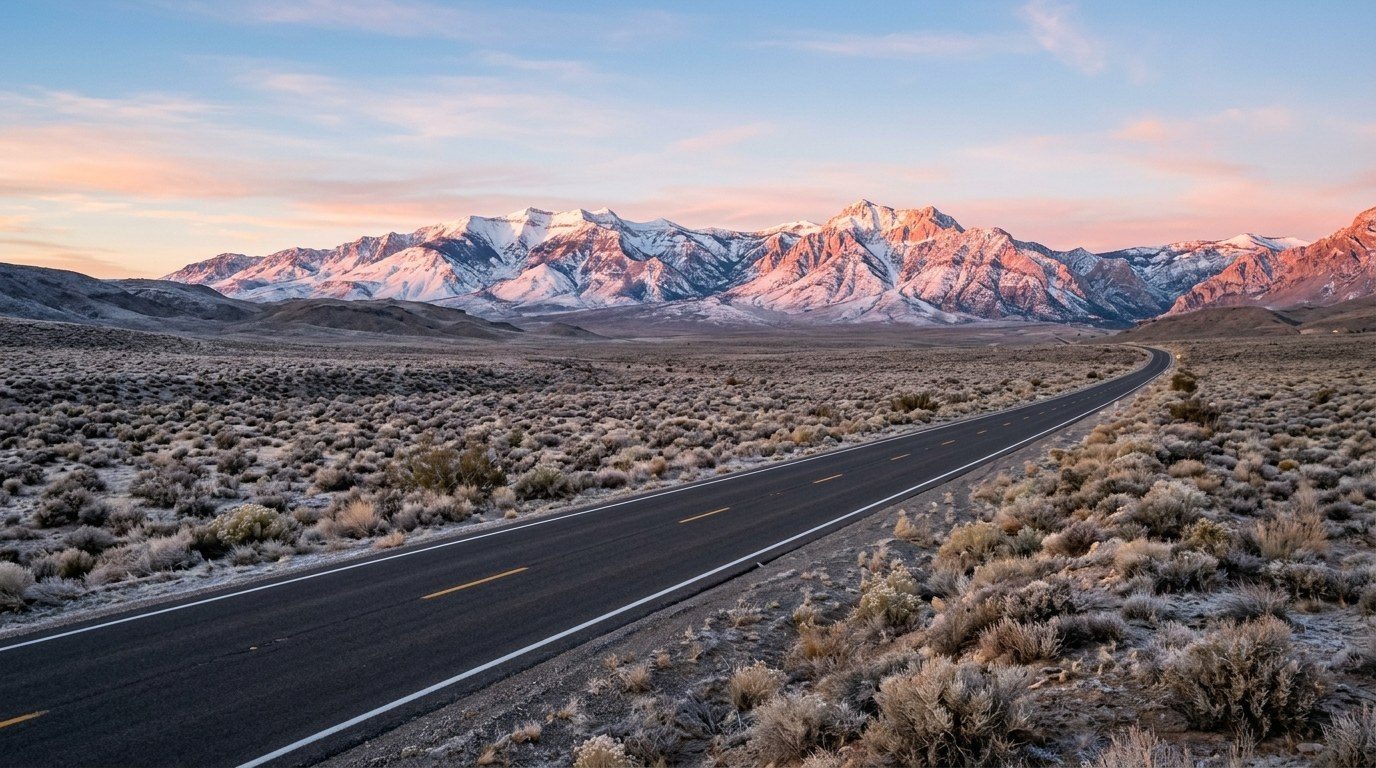
- North on the highway out of the valley. Higher and colder at night than the city, enough that a winter placement here gets freeze protection even when the same week in town would not need it.
- Searchlight
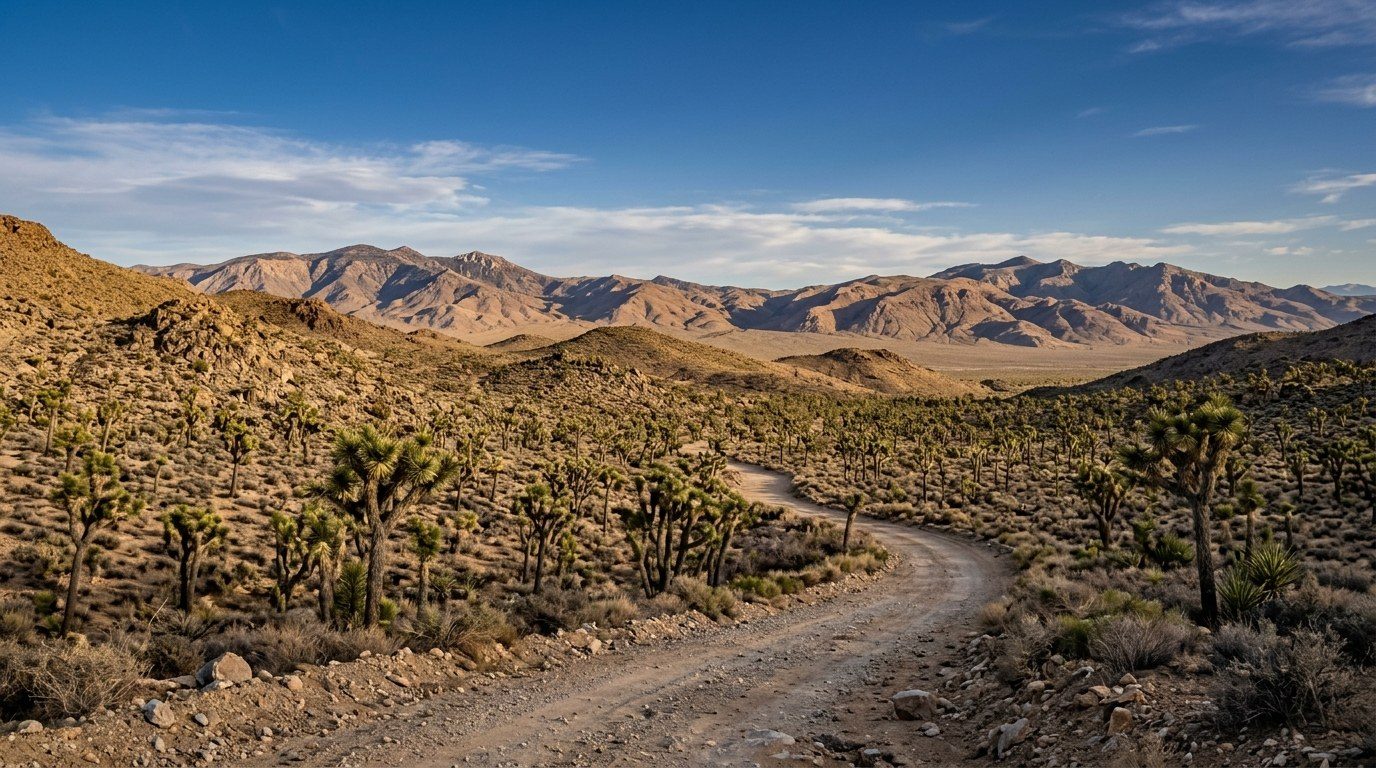
- South through high desert. Far enough out that water top ups get planned against the drive rather than squeezed in, so a crew is not waiting mid shift for a truck that is still an hour away.
- Pahrump
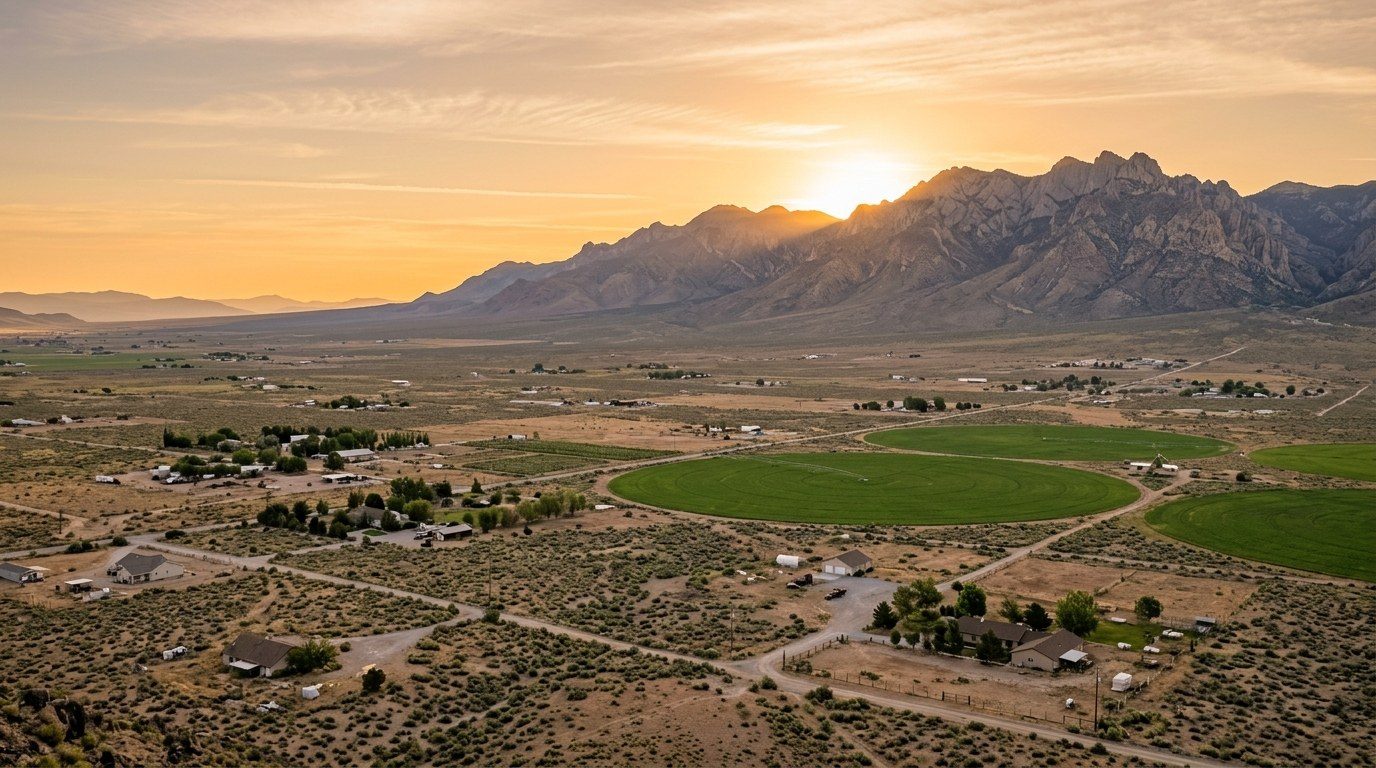
- West over the Spring Mountains on a two lane climb that is a real grade with a trailer behind you. We leave earlier than the mapping app suggests. Summer heat out there matches the valley, so air conditioning sizing is the same conversation.
- Beatty
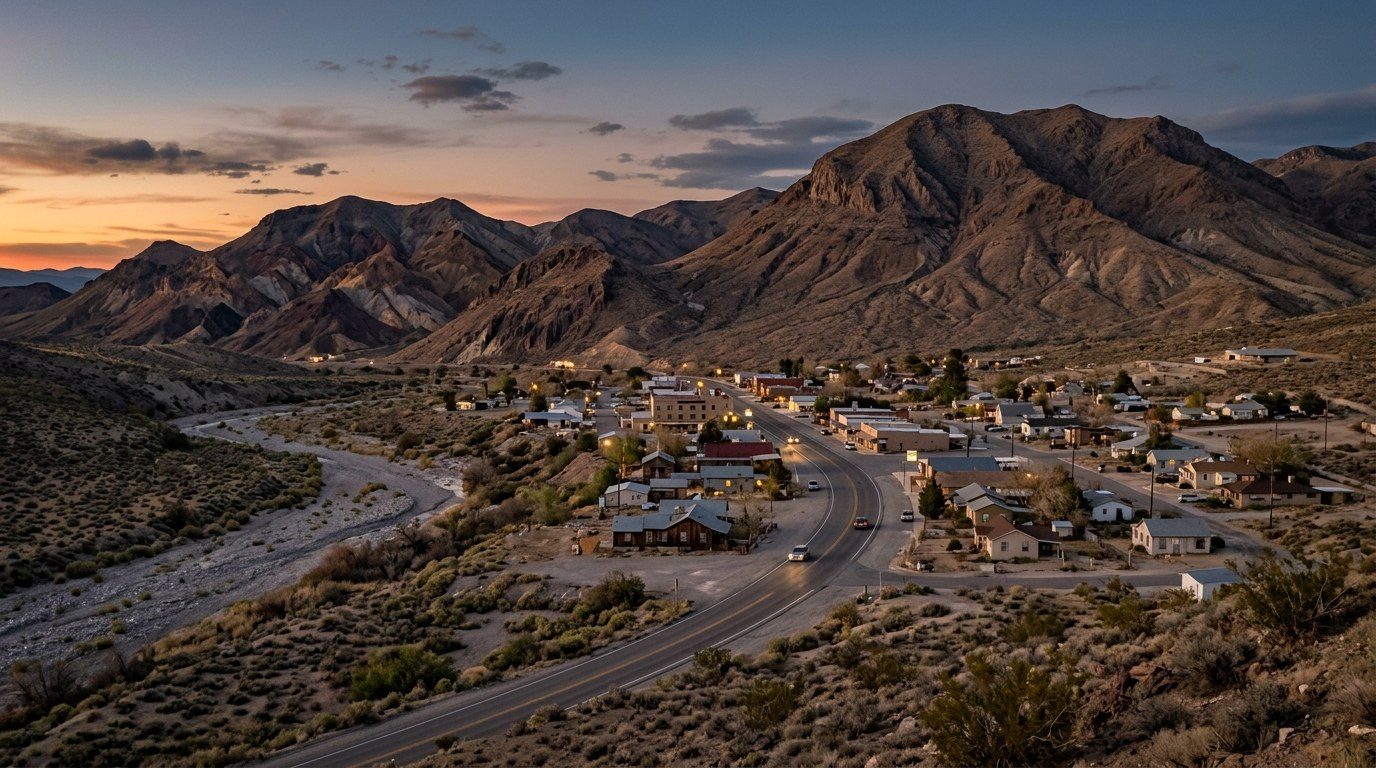
- Well north on the same highway, in country where services thin out fast. Service visits get scheduled before delivery, not arranged later, and the generator runs the whole load.
- Overton
 Illustration
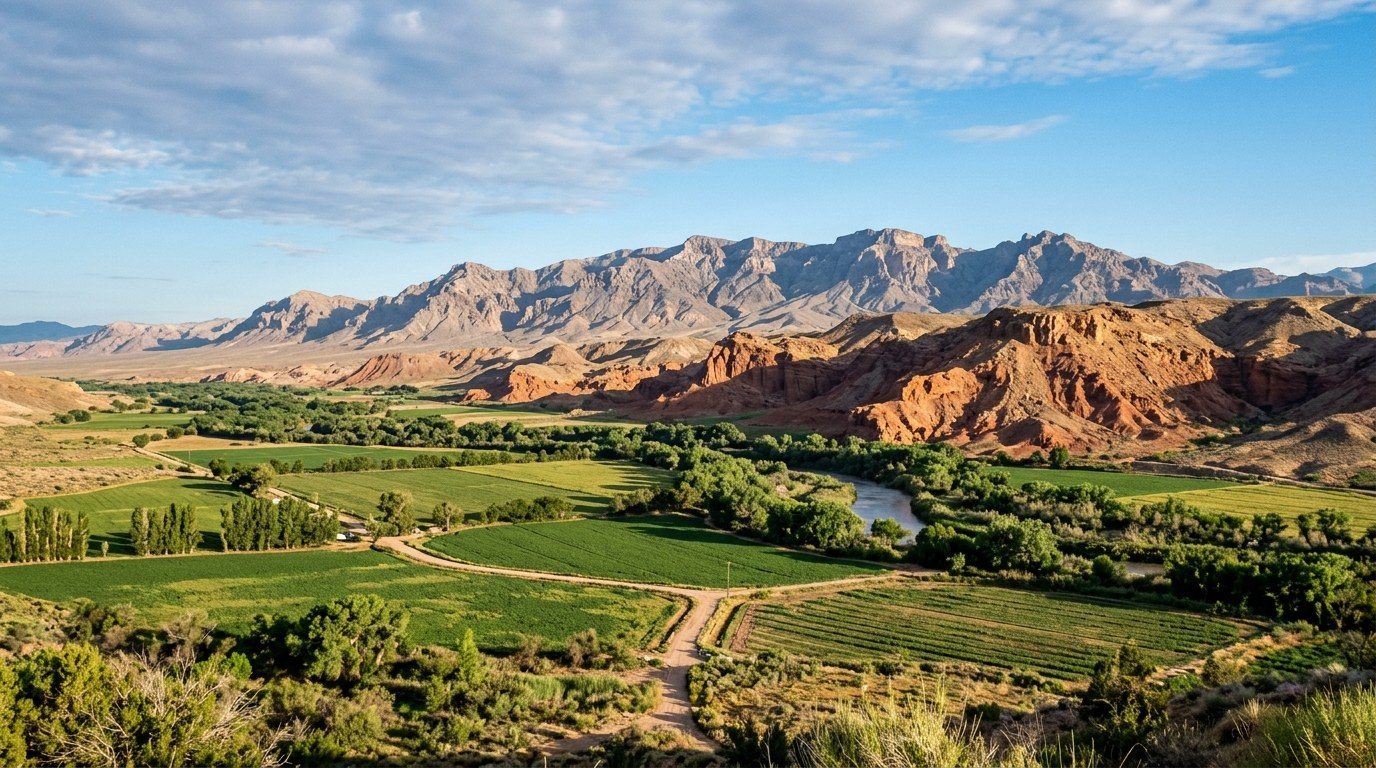
- Northeast up the interstate into the farming valley out that way. Placement is usually dirt or gravel, so we level on pads and check again after the first hot afternoon once the ground has settled.
Northern Nevada
Sparks, the Carson Valley and the high desert east
Everything north of the middle of the state is a planned haul rather than a dispatch decision. We set a departure time, a fuel plan and a service interval before the trailer moves, because a northern run leaves fewer chances to fix a surprise on the way. Winter is the dividing line. Nights up here drop below freezing long before the southern valley notices, so cold weather setup happens at delivery rather than on a later visit.
- Sparks
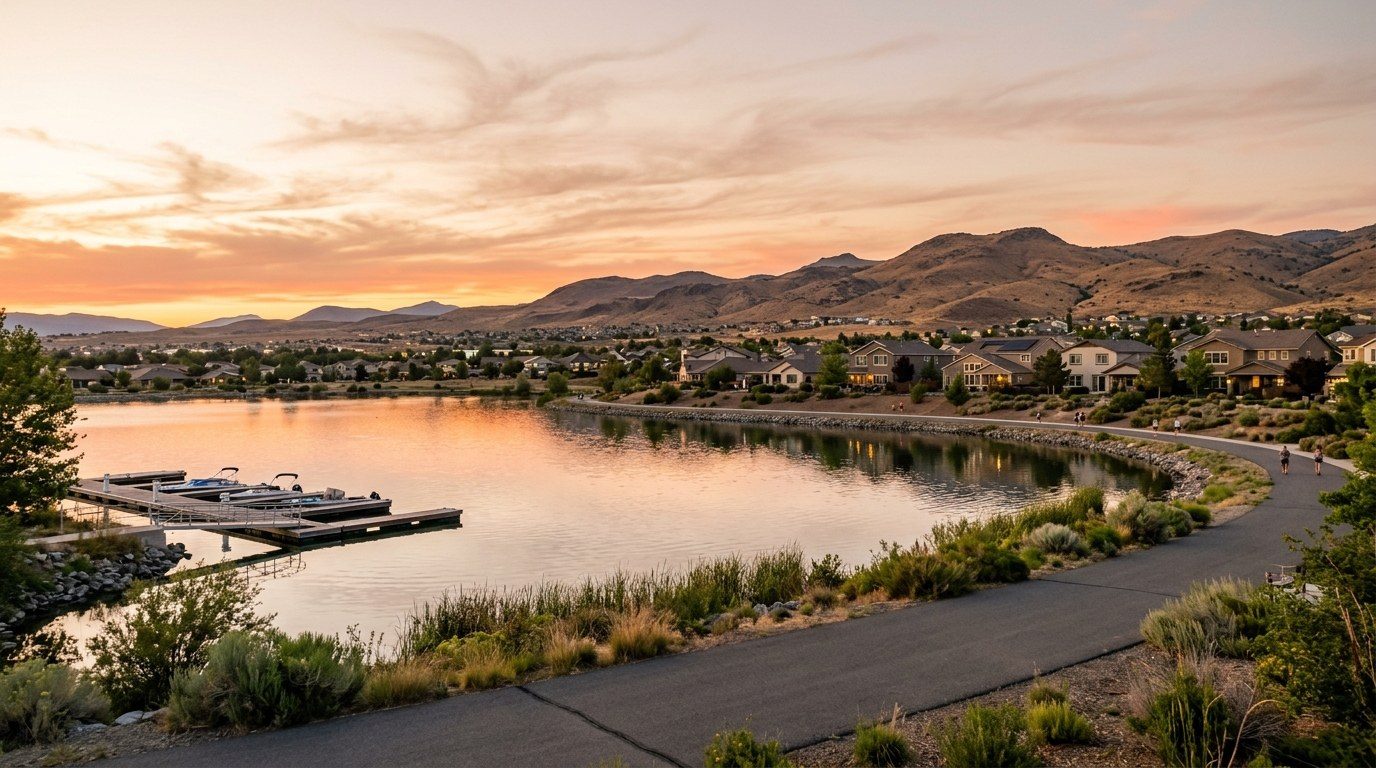
- Immediately east of Reno in the same basin, with industrial yards, event grounds and project sites that mostly have real access. The square downtown fills for a barbecue and music event over the long weekend at the end of summer, which is fixed venue work with utilities nearby.
- Washoe Valley
 Illustration
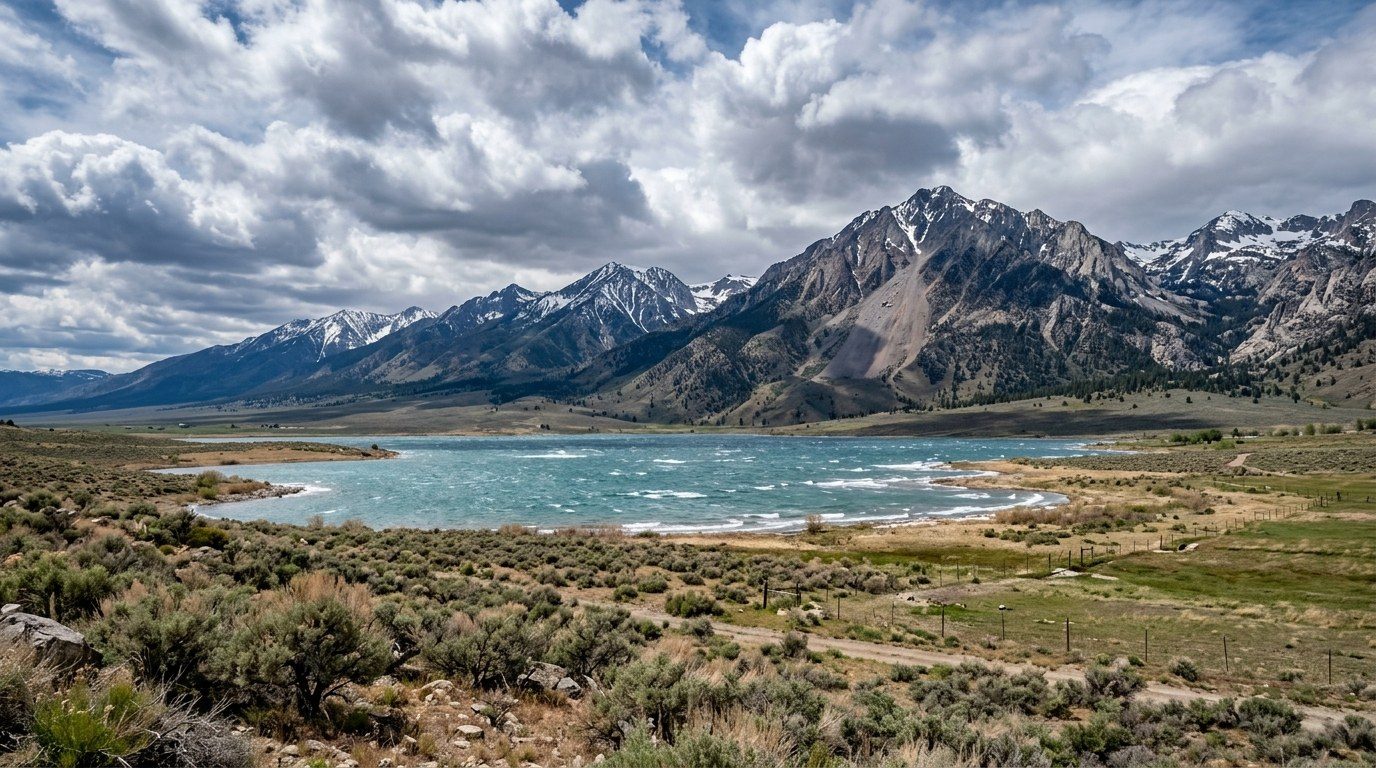
- The gap between the ranges on the run down from Reno toward the capital. The wind through here is not a rumor. Doors and steps go on the sheltered side, and we check the level again after the first windy night.
- Gardnerville and Minden
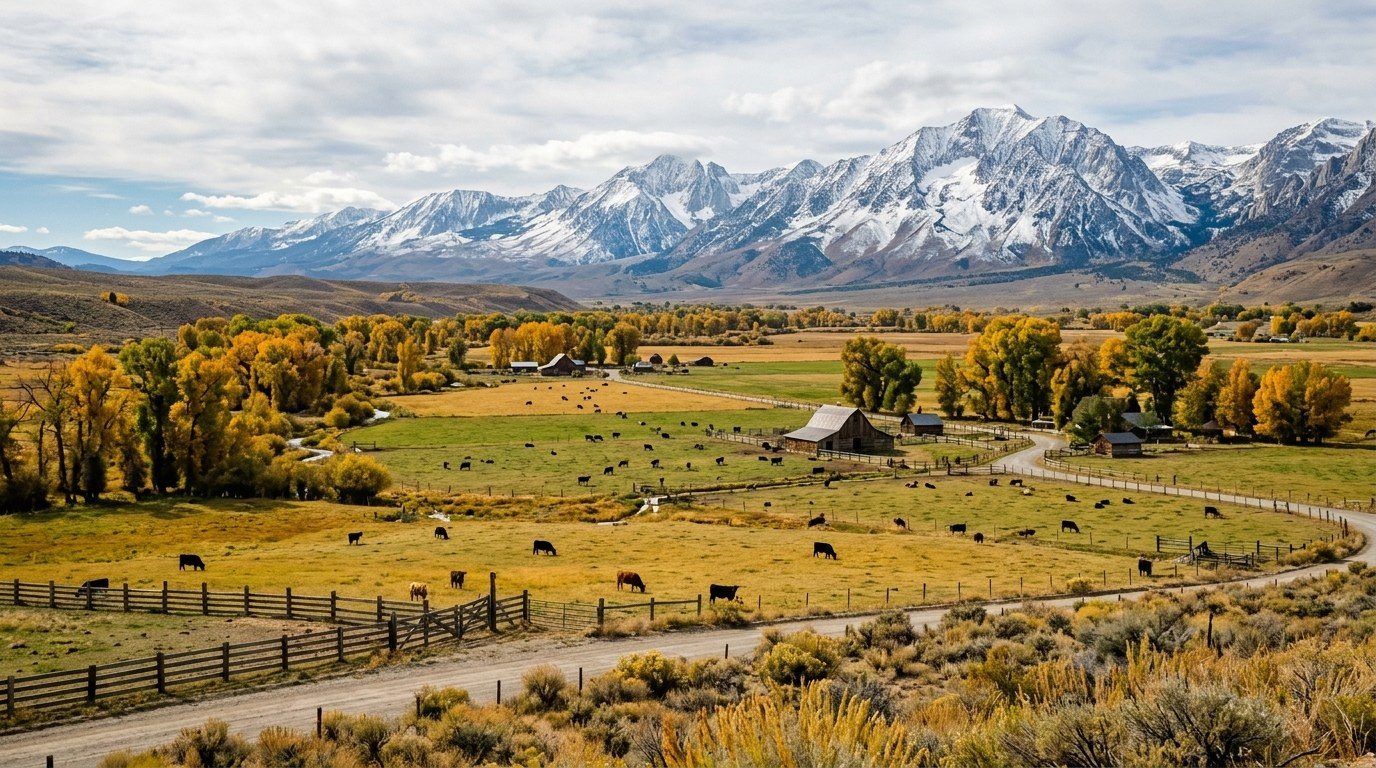
- South on the highway into ranch country in the Carson Valley, a pair of towns close enough together that a single service run covers both. Cold nights, open ground, and a festival season in the surrounding valley each September that brings tens of thousands of visitors through towns that cannot absorb them on their own plumbing.
- Silver Springs
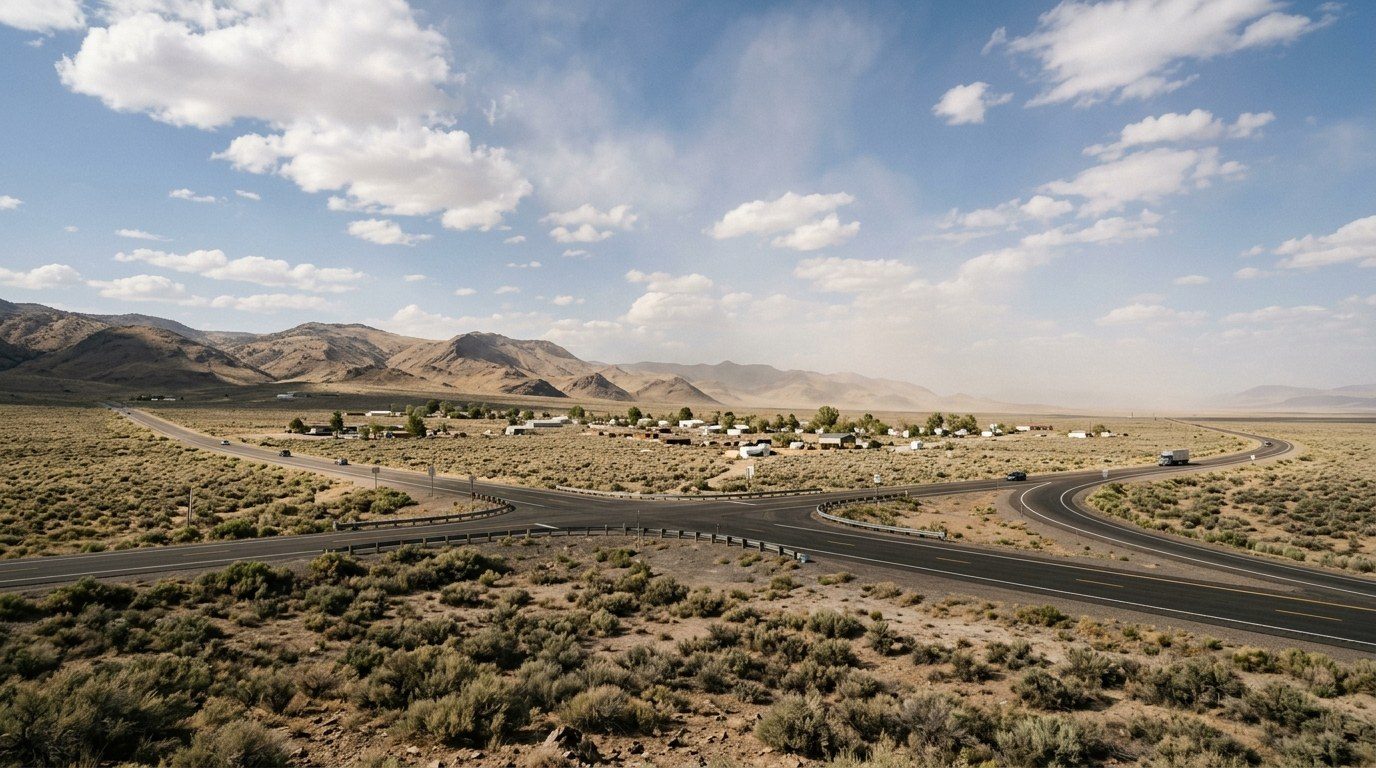
- Open high desert out near the junction of the east west highway. Level ground is the easy part. Blowing dust is the part that decides how often the vents get checked.
- Yerington
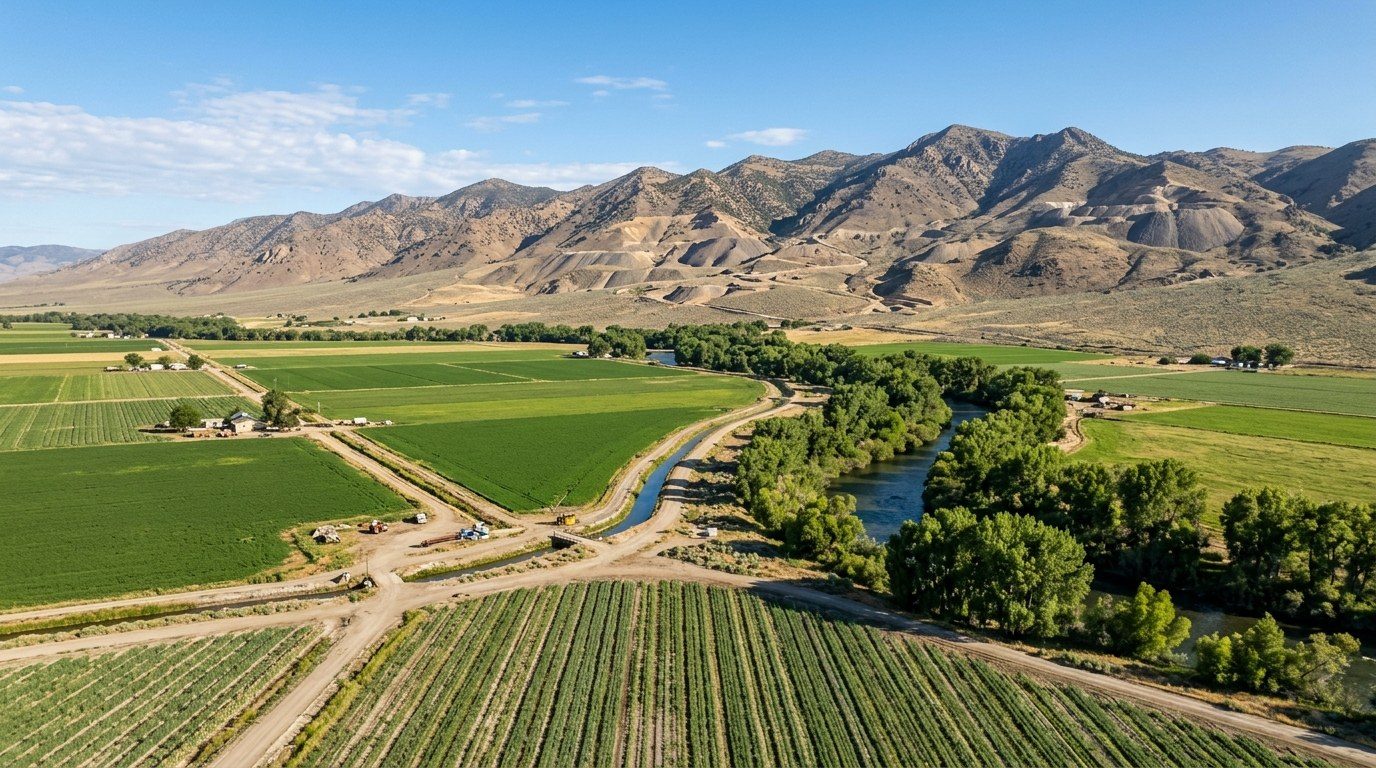
- Ranch and mine country off the alternate highway. The last mile is always the question, and we want it answered by somebody who has actually driven it with a trailer rather than looked at it on a map.
Eastern Nevada
Delivery to Pioche and up the east side
The eastern route out of the valley runs north through mostly empty country, and the towns along it are small, old and built on grades that a flat lot in the south never prepares you for. Pioche is the clearest example. It sits at elevation with steep streets and cold nights, and the usable placement is frequently not where somebody first pictured it, because grade decides more than square footage does.
What these deliveries need is the same thing every remote job needs, only more of it. Somebody who has driven the last few miles into Pioche should describe them to us. We confirm the turnaround at the end before booking, and we agree the service schedule before the trailer leaves. Nobody wants to improvise a pump out at the end of a three hour drive, and the driver who set the unit is the one who tells us what the interval has to be.
Logistics
Drive time is the unit we plan in, not mileage
Mileage lies in this state. Two hundred miles of interstate with a trailer is a straightforward morning. Two hundred miles that includes a mountain pass, a stretch of two lane with no shoulder and eleven miles of washboard at the end is a different day entirely, and pretending otherwise is how a driver ends up setting a trailer in the dark.
So we plan in hours. Inside the valley, most placements are a short haul and a driver can often be on site, leveled and testing stalls the same morning we take the call, depending on what is already committed. Out to the nearby towns in the south, it is a half day round trip with a service interval that still fits a normal route. Up to the northern corridor is a full driving day one way, which means a delivery time gets chosen so somebody is still on site when the truck arrives, and a pickup gets scheduled the same way rather than added onto the end of a demobilization week.
And that drive time sets the service rhythm for the whole rental. A unit in the valley sits on a tight loop and can be seen on short notice. A unit several hours out gets an interval built around the road, with fresh water and waste handled in the same visit because sending a truck twice makes no sense. Longer intervals mean bigger margins on tank capacity, which is a sizing decision made at booking rather than a problem discovered on a Friday afternoon.
Roads matter as much as distance. Before a long run leaves the yard we check closures and construction on NDOT's statewide road conditions map at nvroads.com, because one lane closure on US 95 can add an hour. Gravel and unimproved access is normal on mining, solar and remote event ground, and it limits which trailer and tow vehicle combination can physically reach the pad. Cattle guards, low water crossings, washboard and a spot where the road narrows between two banks are all things we would rather hear about on the phone than discover at the wheel. Paved, improved access is standard in the five metro markets and rare past them.
Water and waste
Hauling water to ground that has none
A lot of Nevada work happens on parcels that have no water service yet, and that is not a rural problem only. The newly graded industrial land around Apex, at the northern edge of the valley, is the clearest example: real projects with real headcounts on land where water and sewer lines are still being built. The industrial ground east of Sparks works the same way. On those jobs hauled water is the normal arrangement, not a backup plan.
Where a hose bib exists with decent pressure, we use it, and the fill line runs off that connection. Established commercial, municipal and residential infill in all five metro markets usually has one within reach. Where it does not, fresh water gets trucked in and the onboard tank refilled on an interval matched to the actual headcount and shift pattern. We plan on the people who genuinely shower. Not the sign in sheet.
Waste goes the other direction and is less negotiable. Everything the trailer produces, both the shower side and the toilet side, is captured in sealed onboard tanks and removed by licensed pump out to an approved disposal point. Nothing goes on the ground. Nothing goes into a wash either, in any county, on any job, regardless of how remote the site is or how convenient it would be. On a metro placement the route to a disposal point is short and the schedule is flexible. On a remote desert or mining adjacent site the nearest approved point can be a long haul, and that drive is what sets the pump out interval rather than the tank gauge.
In Clark County, event organizers apply through the Southern Nevada Health District special events program, and in Washoe County through Northern Nevada Public Health. Either way the application asks how the event handles drinking water, wastewater and handwashing. We can put those facts in writing for you. The permit itself is the organizer's to obtain, and Clark County also issues its own temporary event permits on top of the health side. Rural counties outside both health districts work through the state instead, so confirm with the authority covering your ground rather than assuming one rule covers Nevada.
Seasons
Cold nights up north, hot pads down south
The same trailer gets set up two different ways depending on which end of the state it is going to, and the calendar decides which.
In the northern corridor, roughly from November into March, freeze protection stops being optional. Supply and waste lines get heat taped and insulated, the holding tanks get thermostat controlled heater pads that come on as the contents approach freezing, and the underbelly gets skirted with a heat source behind it. Skirting on its own lifts the temperature under the trailer by ten or twenty degrees, which is useful but not enough once the air sits below freezing for nights on end. The generator has to carry that heating load on top of lighting, pumps and hot water, so a northern winter unit is not sized the way the same unit would be in June.
In the south the problem inverts. Through the summer the trailer is fighting ambient air above a hundred degrees for months, and air conditioning becomes the dominant electrical load by a wide margin. A compressor and generator sized off a nameplate rating on a mild day will disappoint everybody in July. Placement matters almost as much as equipment: shade if there is any, and if not, an orientation that keeps the afternoon sun off the door side.
And then there is dust. From the middle of summer into early fall, the storms that roll off the desert push dust walls ahead of them, and fine grit finds its way into intake vents, condenser fins and every exposed mechanical surface. Units working southern ground through those months get filter and vent checks more often than a unit sitting in a clean paved lot, and the pad choice accounts for drainage, because the same storms that carry the dust drop rain fast enough to flood a low spot that was bone dry that morning.
The southern towns farther out sit between the two patterns. Higher ground north and west of the valley, and the desert towns away from the city core, get colder nights than the valley floor does, so freeze protection is available there on request even in a season when the city would not need it.
Before we schedule
What we ask before a long haul goes on the board
A long haul is planned as a route, not a pin: the drive, the fuel stops, where a truck and trailer can turn around, and where the service visits fall against the crew's schedule. Then we work backward. The delivery time has to land while somebody is still on site to point at the pad. The part we cannot do from here is the site itself, so these are the questions that come up on every call about ground outside the valley.
- Surface and slope. Concrete, asphalt, compacted gravel, dirt or playa, and how much the ground falls across the footprint. Soft sand and loose fill need correcting before delivery day rather than on it.
- Turning room. How a truck and trailer get in, and how they get back out without unhooking in a spot with no room to maneuver.
- Overhead clearance. Wires, branches, canopies and low entries, which is the single most common thing nobody mentions until the driver is already looking at it.
- Gate hours and access control. Who opens it, when it closes, whether a badge or an escort is involved, and whether that changes on a weekend.
- Hookups, or none. Water, sewer and power at the spot, some of them, or nothing, which decides whether a generator and a hauling schedule come with the unit.
- Service vehicle access. Whether the pump truck can reach the unit where it sits, which is a separate question from whether the delivery truck can.
There is more detail on every one of those in how to choose and prepare a shower trailer site in Nevada. The equipment side, including what runs off tanks and what needs a circuit, is on what we rent.
If your town is not named on this page and it is still inside the state line, call anyway. An unfamiliar town is a route question, not a no. Tell us about the job or call (702) 960-1918.
Valley neighborhoods
The parts of the valley locals actually name
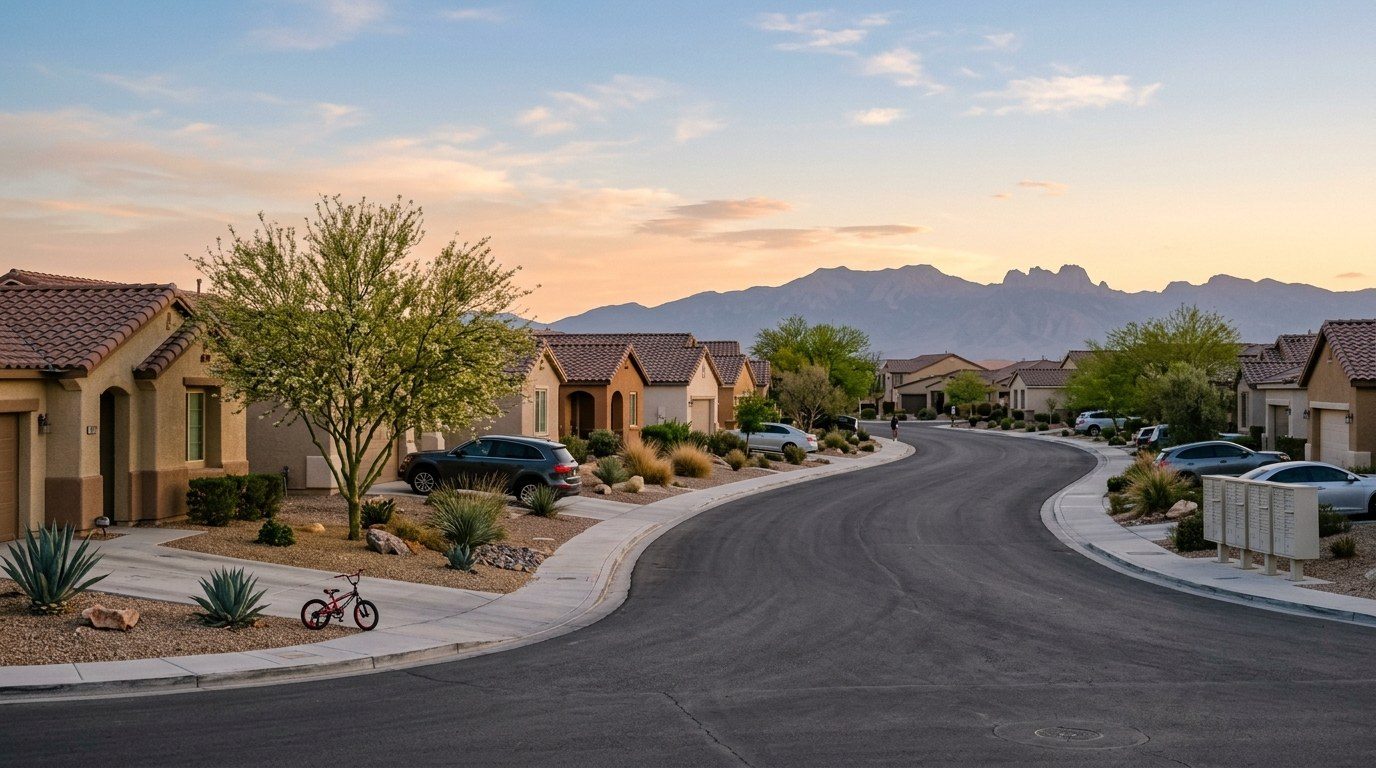
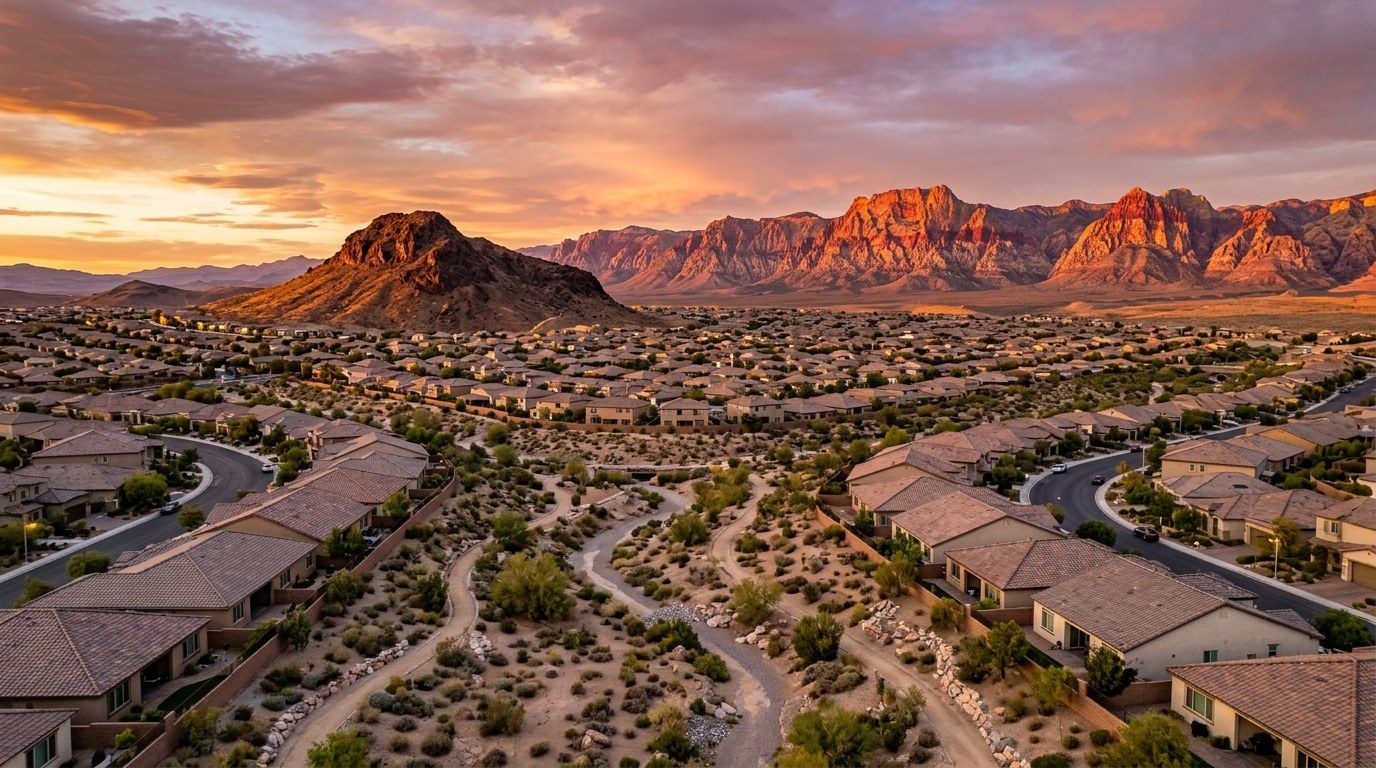
Inside the valley the delivery conversation is rarely about distance. It is about the gate, the dock window and whichever event is jamming the arterials that week. These are the areas we run to most, and a driver who has been to your part of town already knows which entrance actually works.
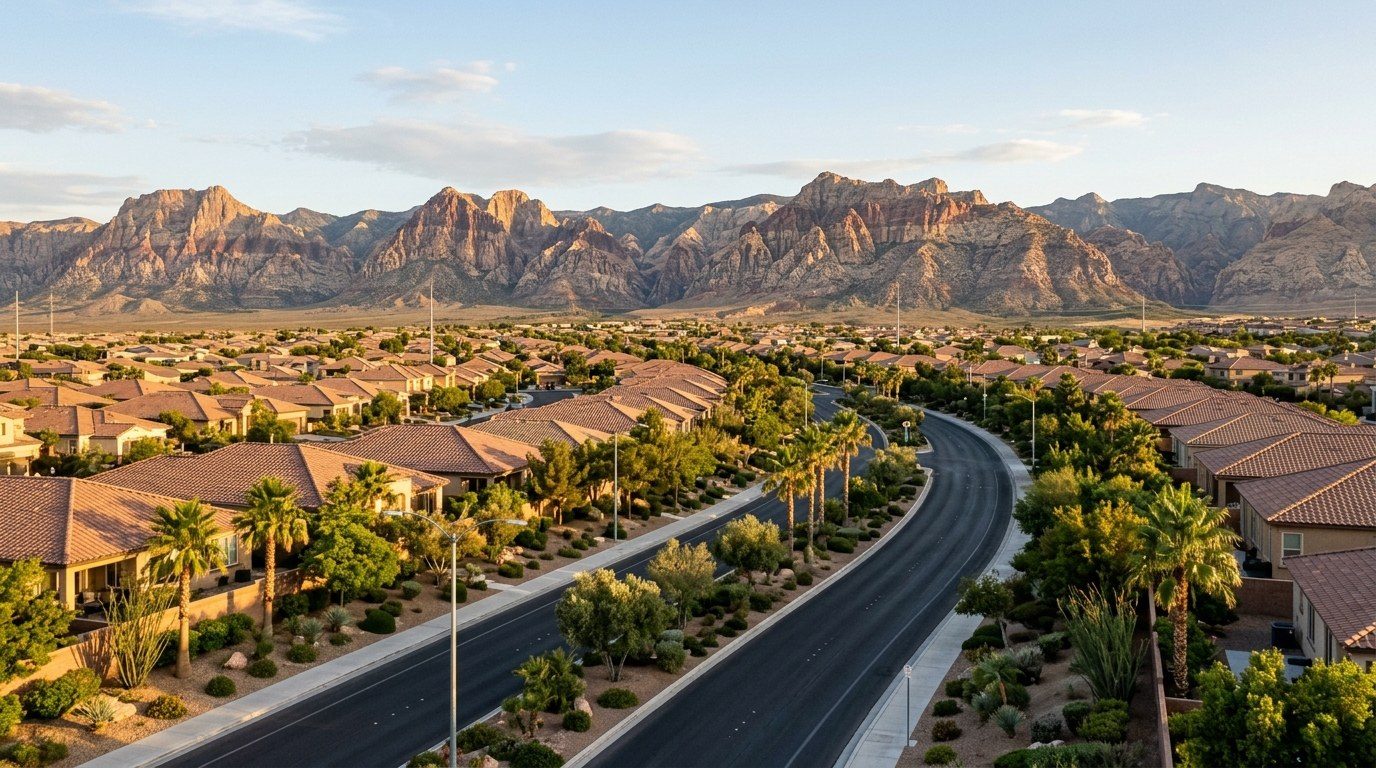
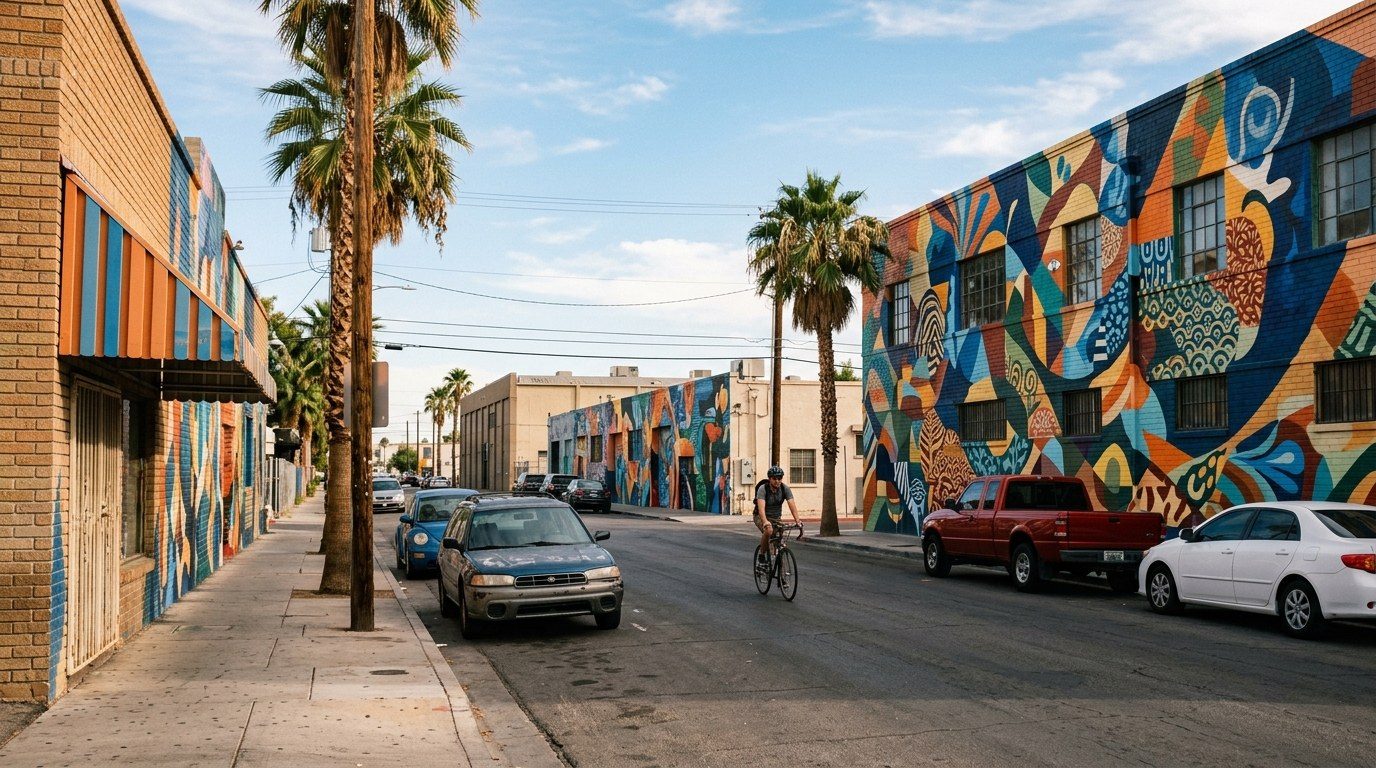
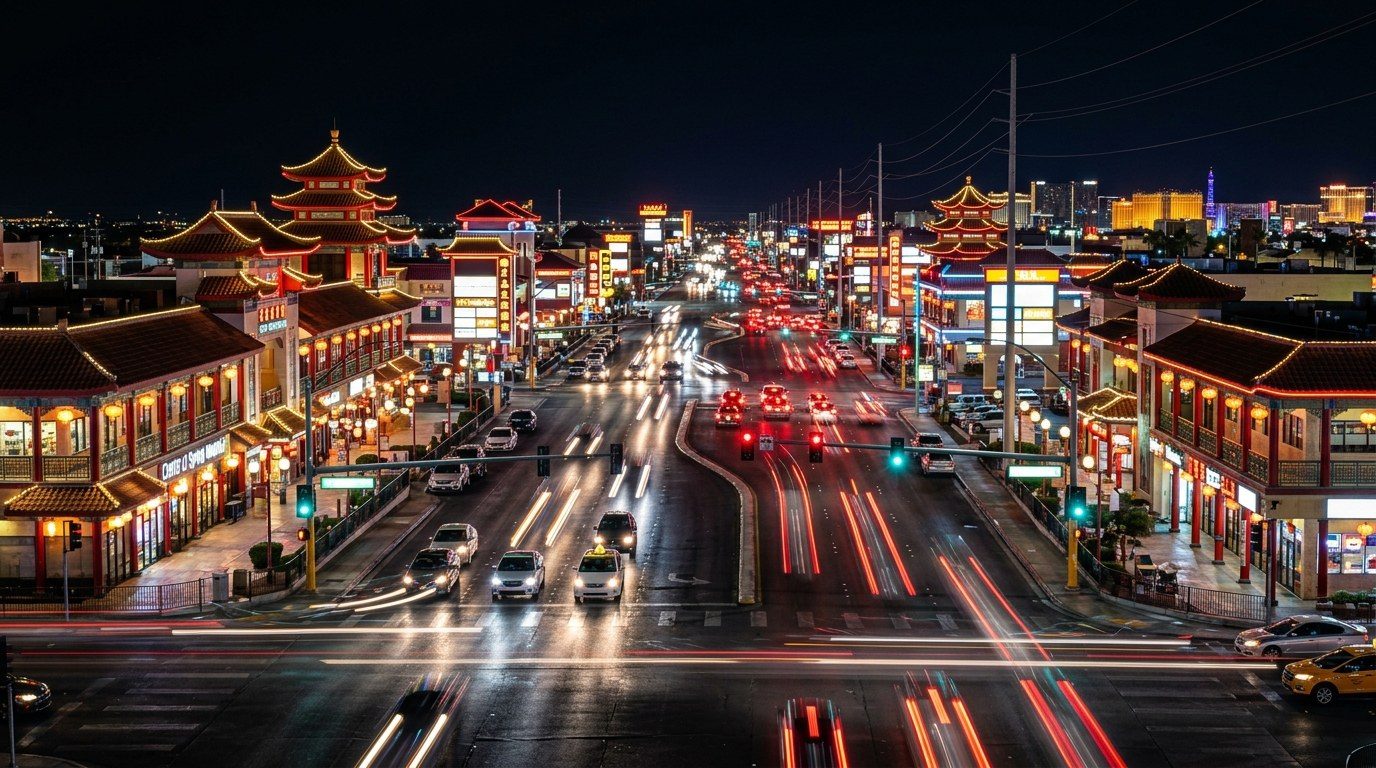
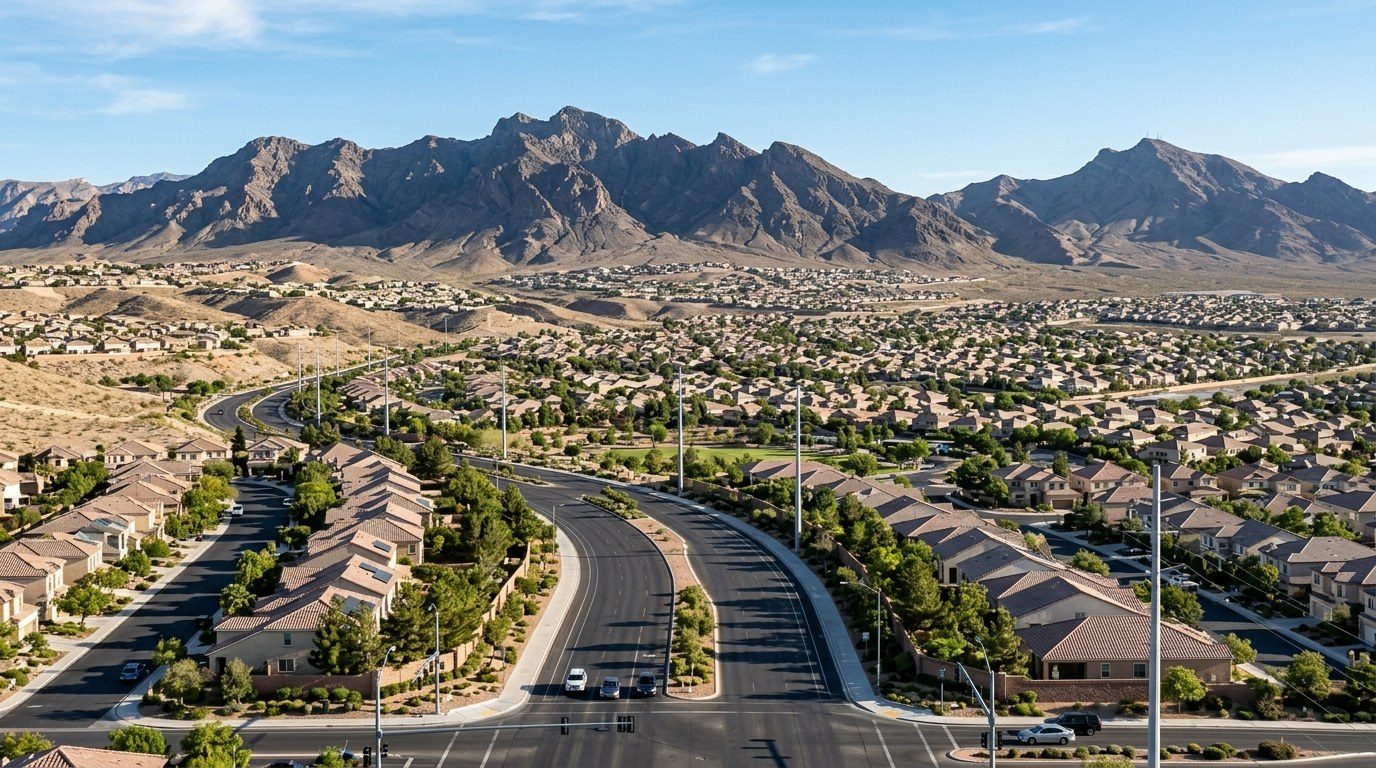
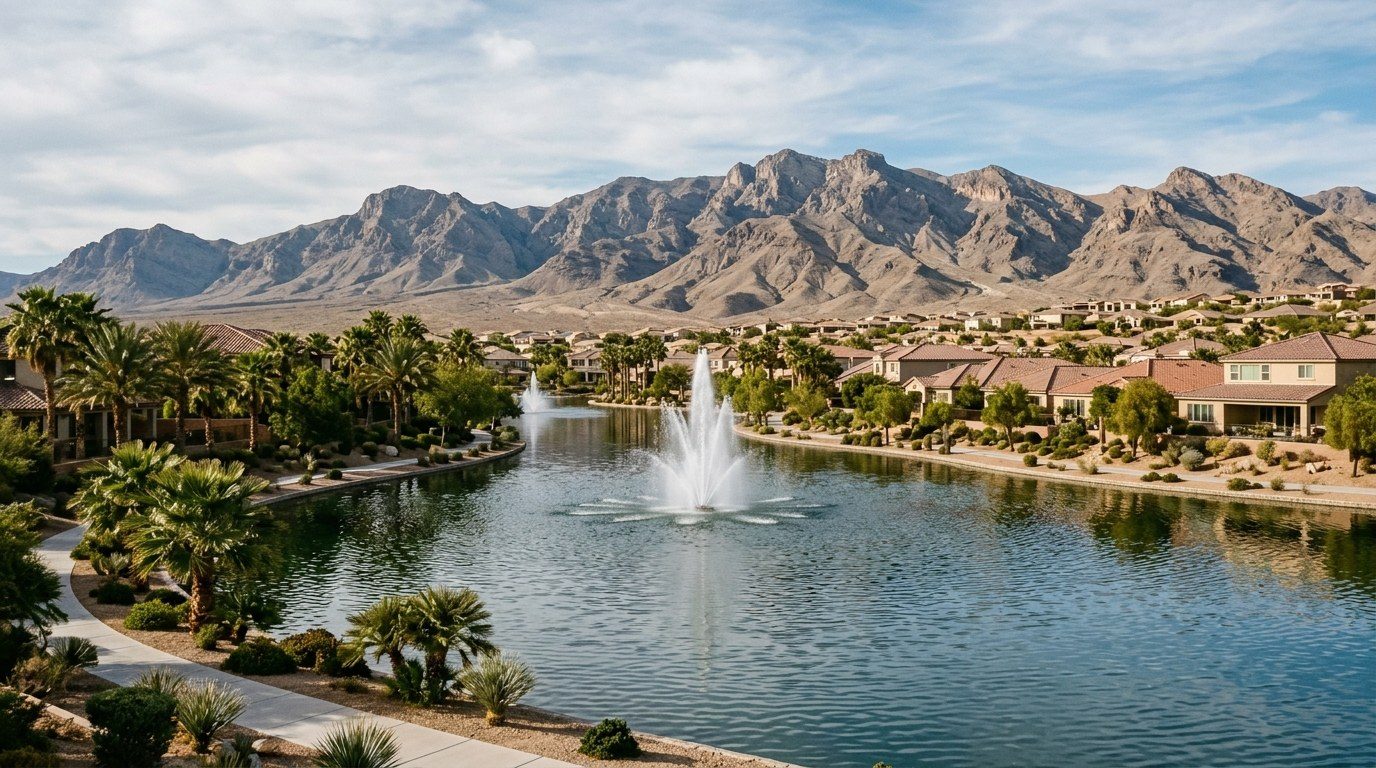
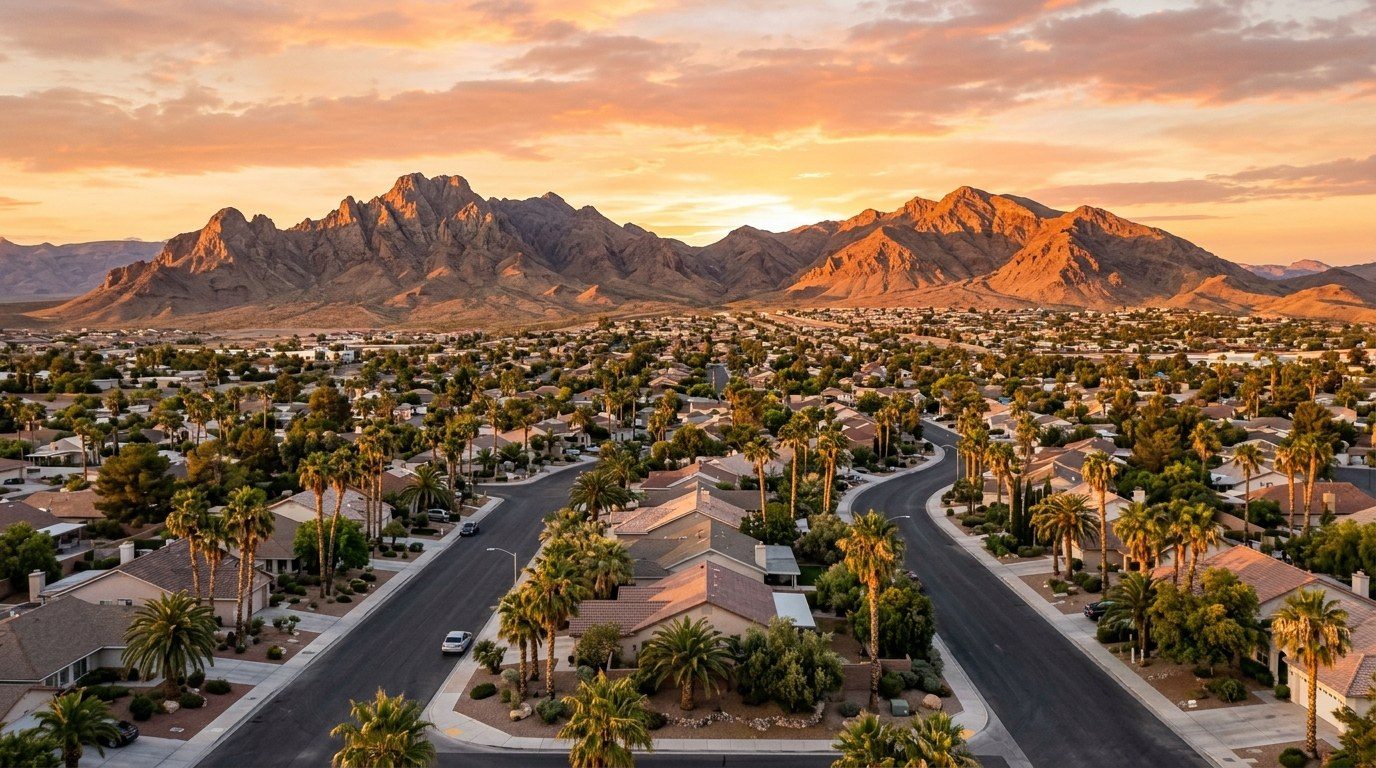
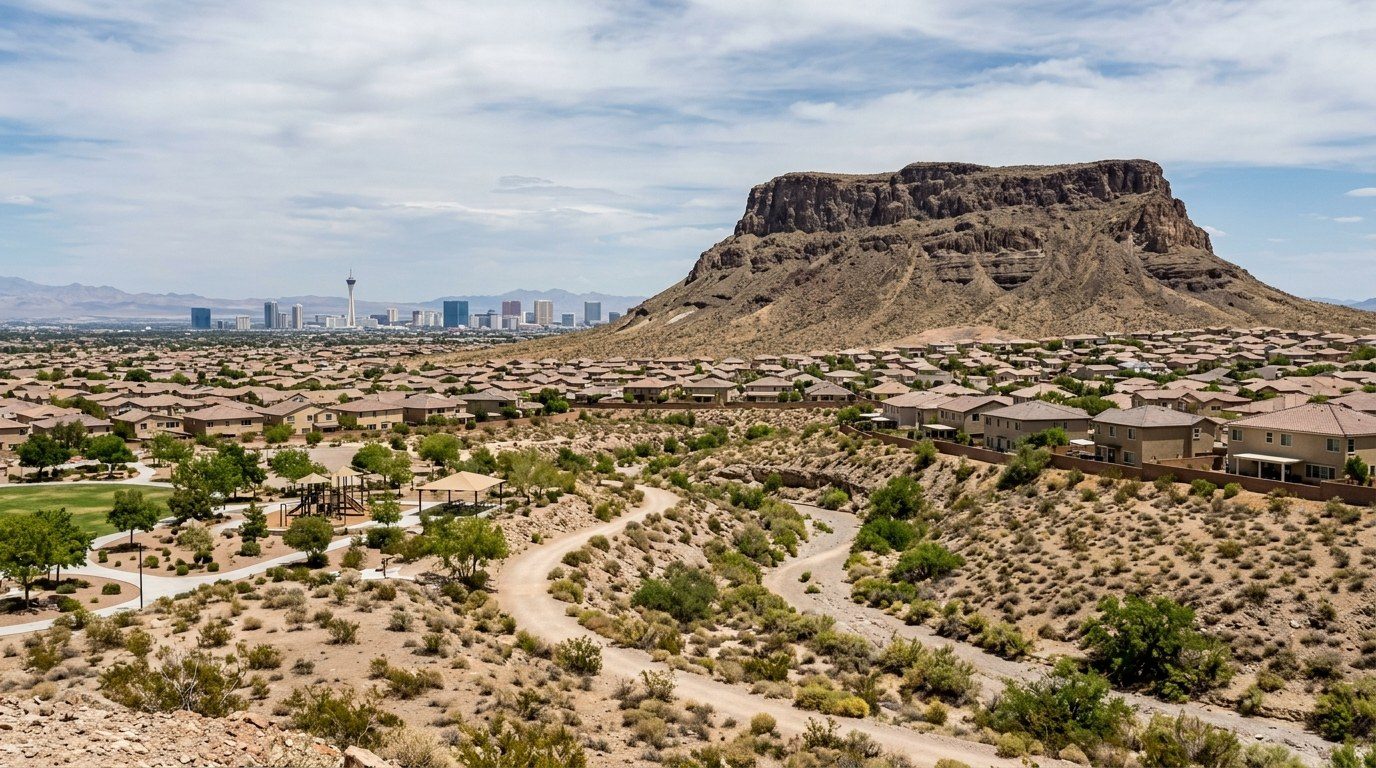
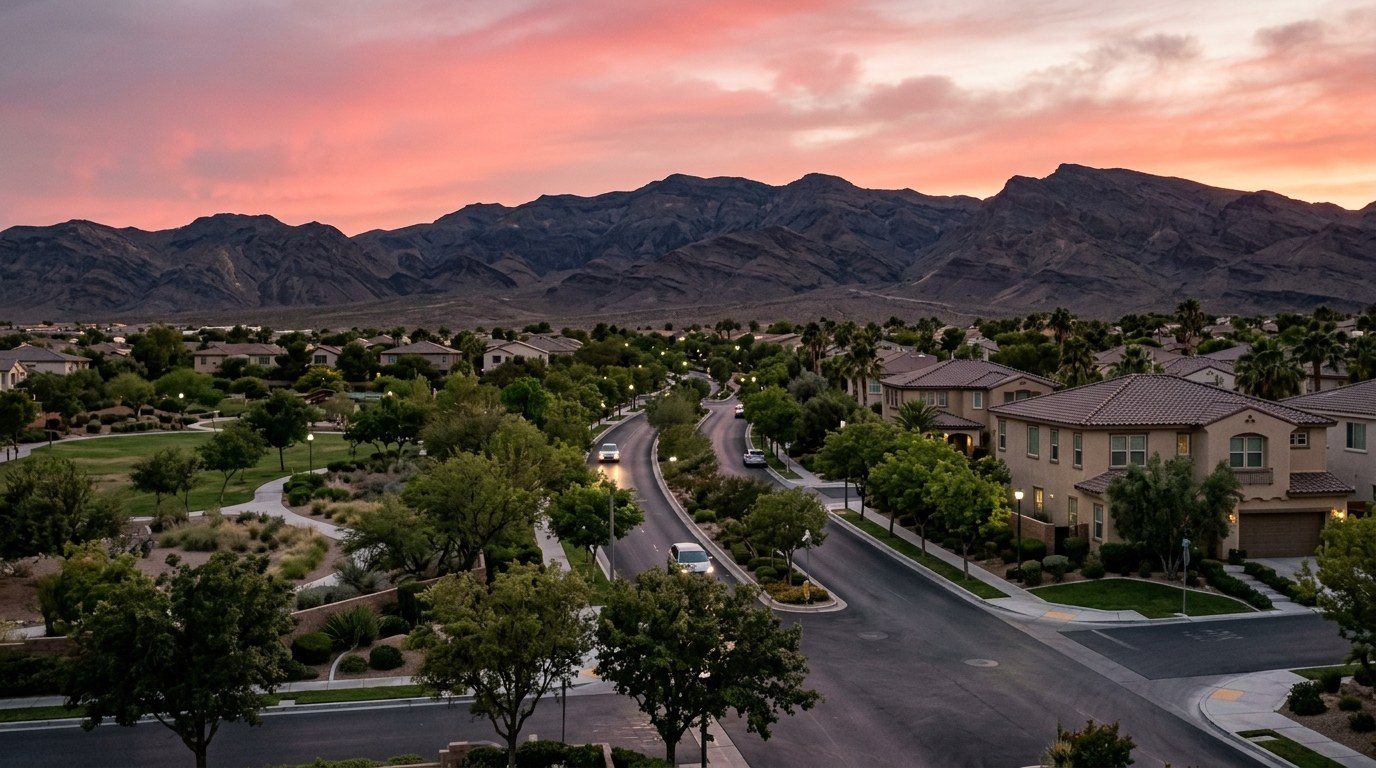
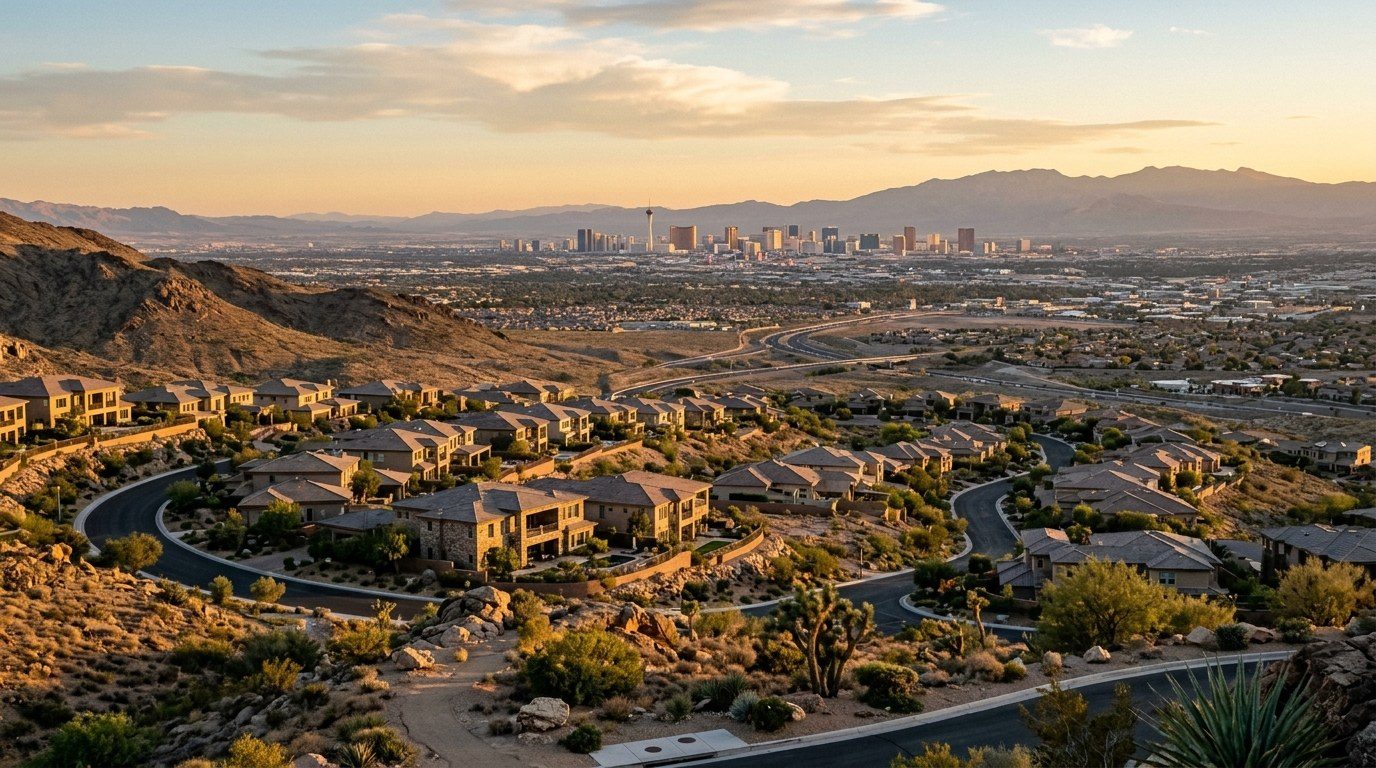
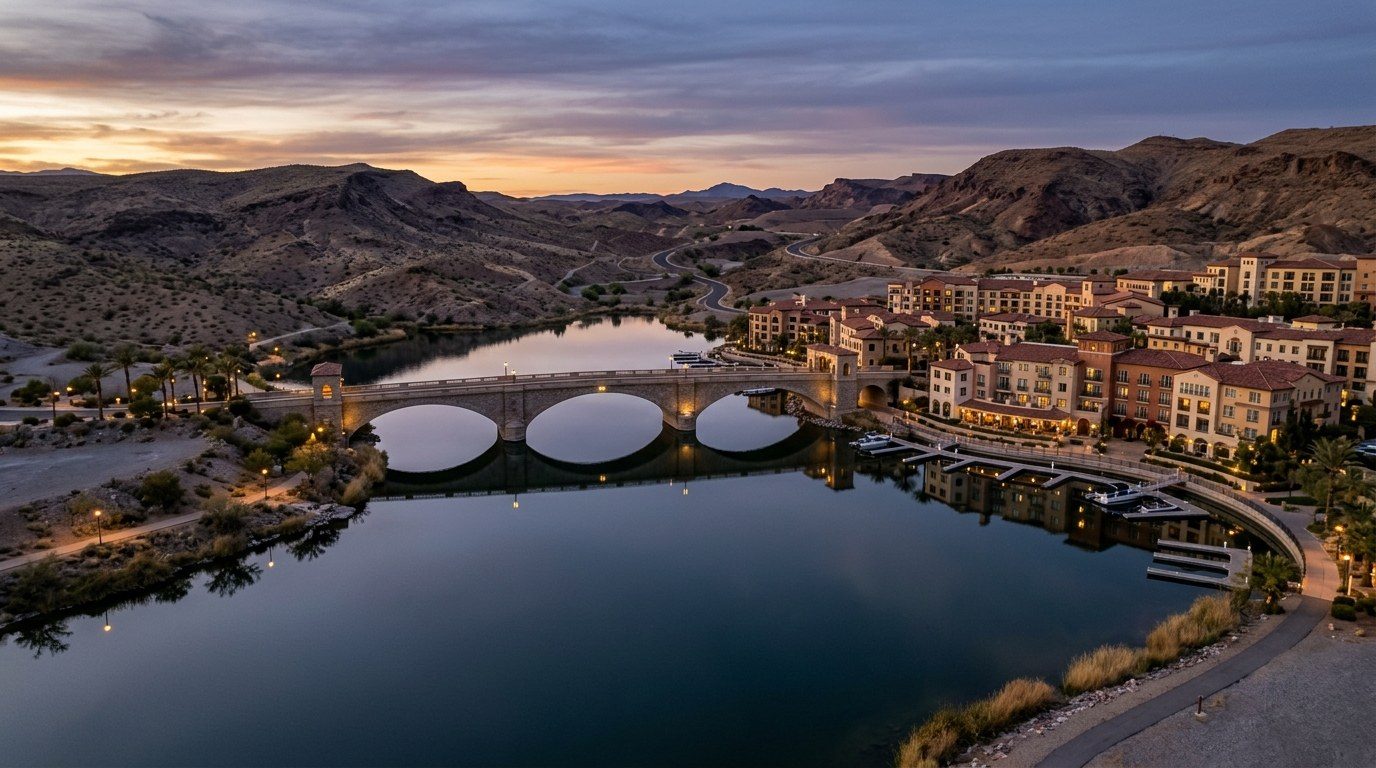
- Summerlin
- Downtown
- Chinatown
- Paradise
- Spring Valley
- Enterprise
- Southwest
- Centennial Hills
- Aliante
- Sunrise Manor
- Whitney
- Green Valley
- Anthem
- Lake Las Vegas
Valley coverage sketch for dispatch planning. Call if your gate sits between two of these labels. We already know most of them.
No services at all
Sites with nothing to connect to
Plenty of work in this state happens on bare ground with no utilities in any direction, and a trailer built for that runs off what it carries. Fresh and waste tanks on board, generator power, hot water heated as it flows, and climate control running the whole time. It is an ordinary configuration for us rather than a special arrangement, and the sites it covers range from mining exploration camps and solar construction to off road race support zones and film units parked somewhere with a good horizon and nothing else.
What makes it work is the schedule rather than the equipment. We set the water deliveries and the pump out visits against how the crew actually uses the unit: the headcount, whether showers spread across a shift change or everybody arrives at once, and how long the rotation runs. A crew that doubles in size in week three changes that interval, which is why we would rather hear about the ramp up at booking than discover it when a tank fills early.
Generator fuel gets its own rhythm. A tank that carries a unit through a long stretch of light use will not last nearly as long with air conditioning running flat out on a summer afternoon, so fuel resupply is part of the plan on any remote southern placement rather than something the site figures out later.